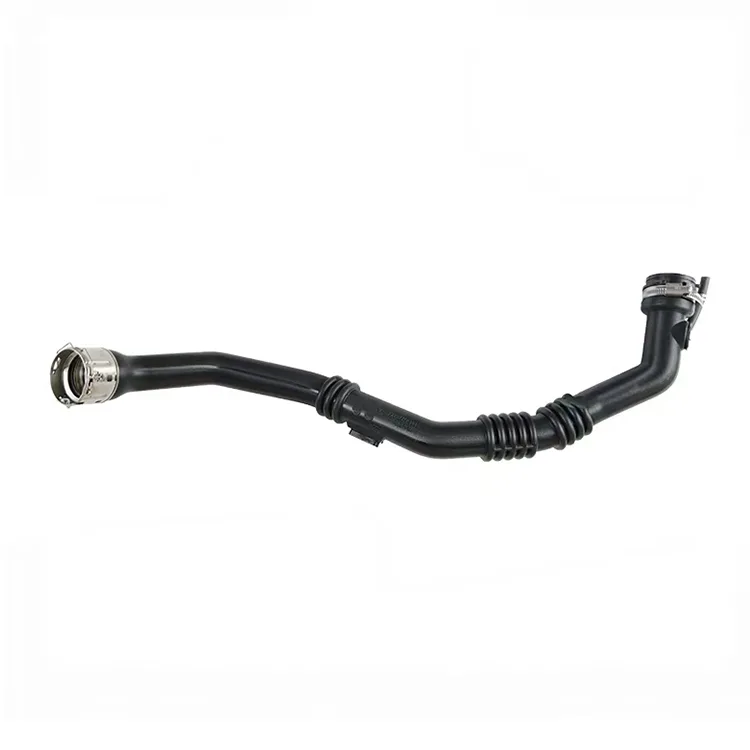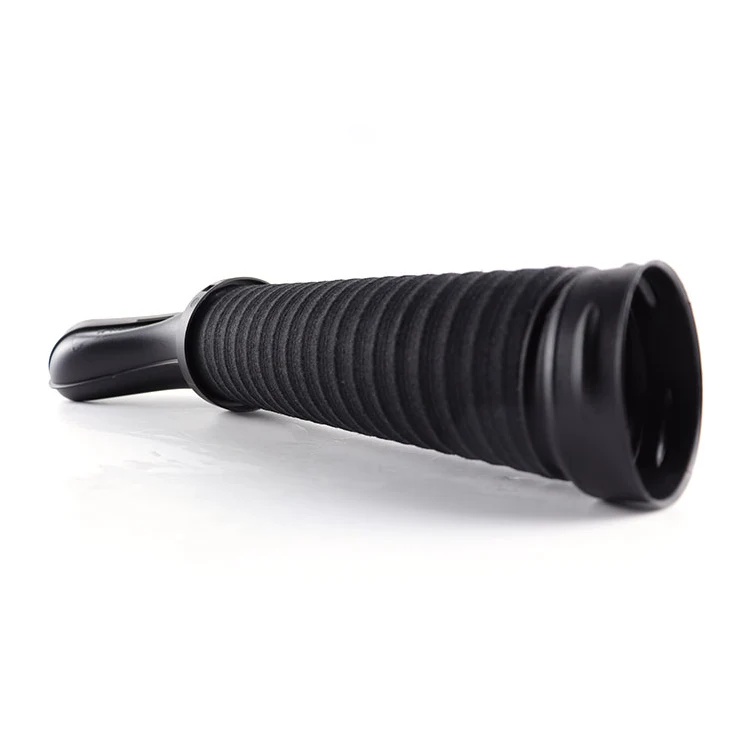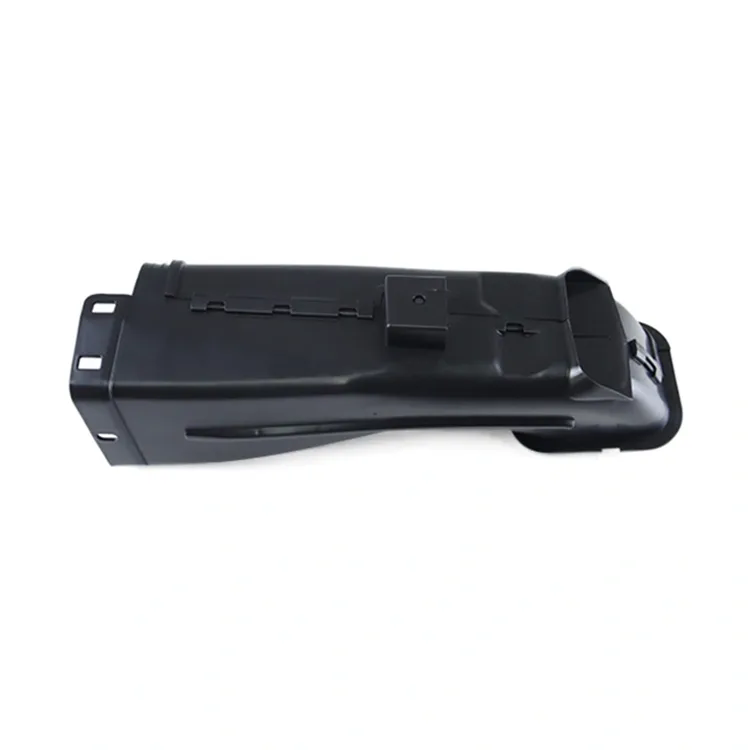
Does Renault Intake Pipe 144609905R Fit Both Trafic III And Vivaro B Models?
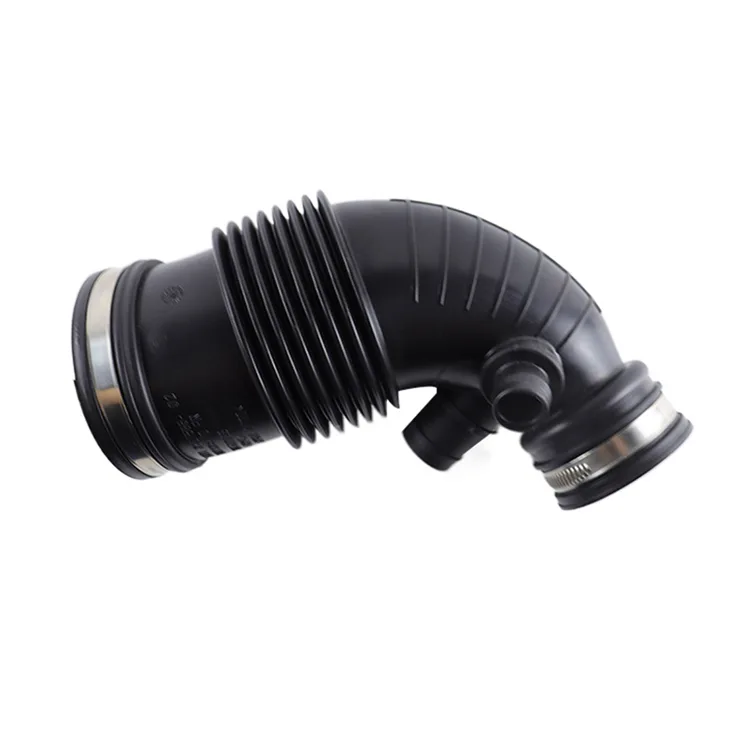
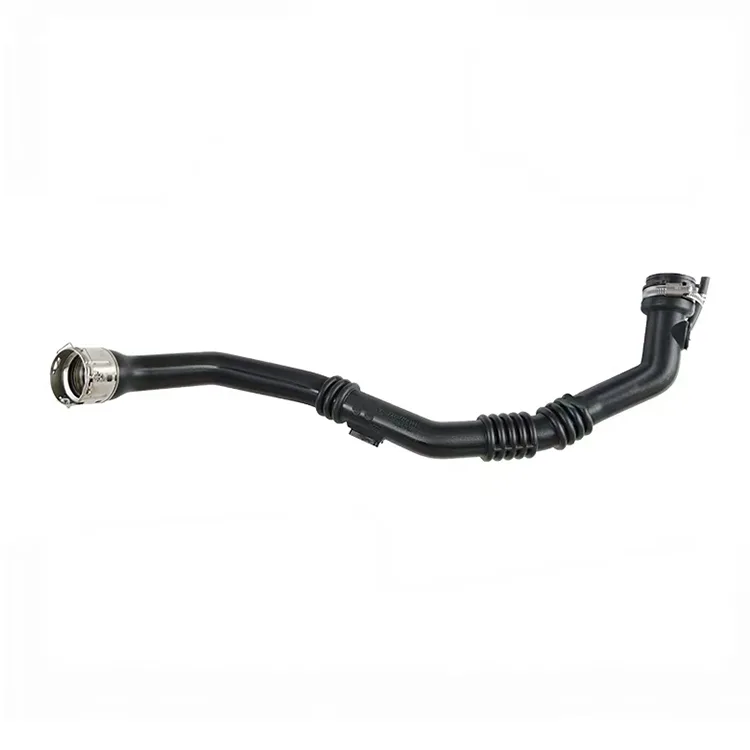
Renault Intake Pipe 144609905R from Ningbo Haochi Technology Co., Ltd. delivers verified cross-model compatibility for Renault Trafic III and Opel/Vauxhall Vivaro B to cut commercial van repair downtime and installation faults.
When designing shear-critical assemblies, engineers often face a choice between partially and fully threaded Hex Head Bolts.Understanding the differences between threading types is key to optimizing connections in mechanical and construction projects.As commercial vans continue to play a critical role in logistics, construction, delivery services, and passenger transportation, reliable engine air intake components remain essential for maintaining consistent vehicle performance. One question that frequently appears in maintenance forums and repair workshops is whether the intake pipe identified by OE number 144609905R can be used across multiple vehicle platforms that share similar engine architectures.
Why Compatibility Matters More Than Ever
Modern commercial vehicles often share engine technologies across different brands and model lines. This approach helps automotive groups streamline production and reduce development costs. However, it can also create confusion when replacement components are required.
For workshop managers and parts sourcing teams, selecting a component solely based on visual similarity can lead to installation challenges. Even minor differences in connector design, pipe curvature, or material specifications may affect airflow efficiency and long-term reliability.
This is why OE reference numbers remain one of the most trusted methods for confirming fitment.
Understanding OE Number 144609905R
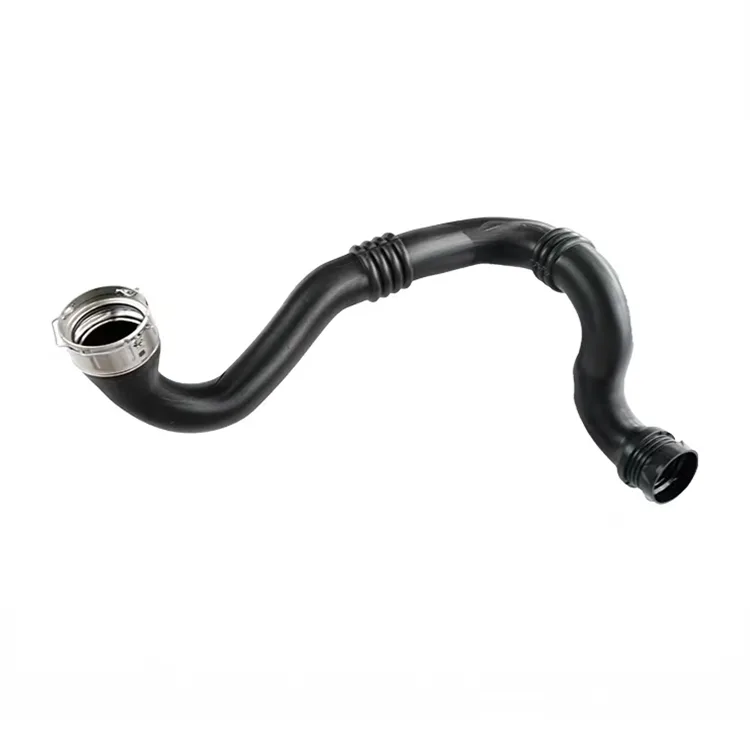
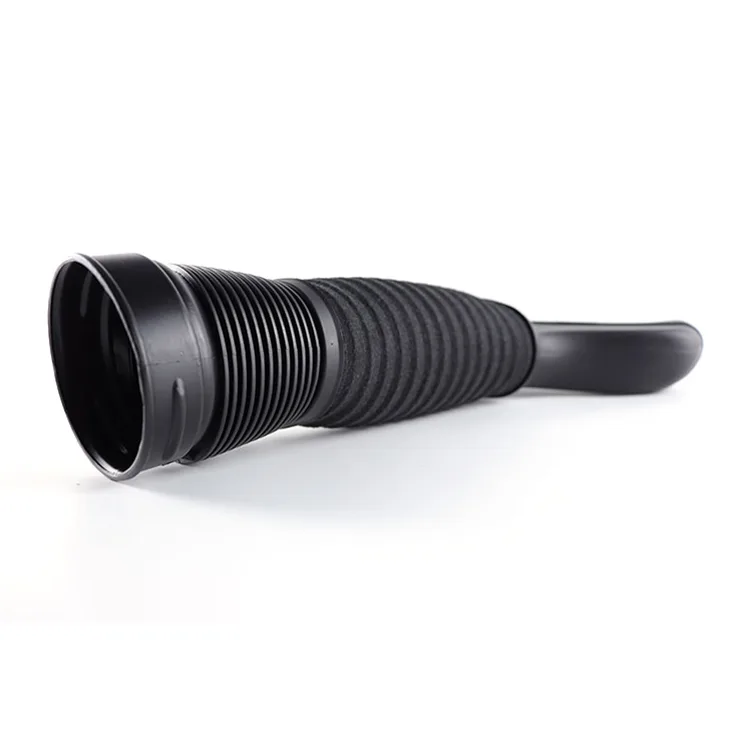
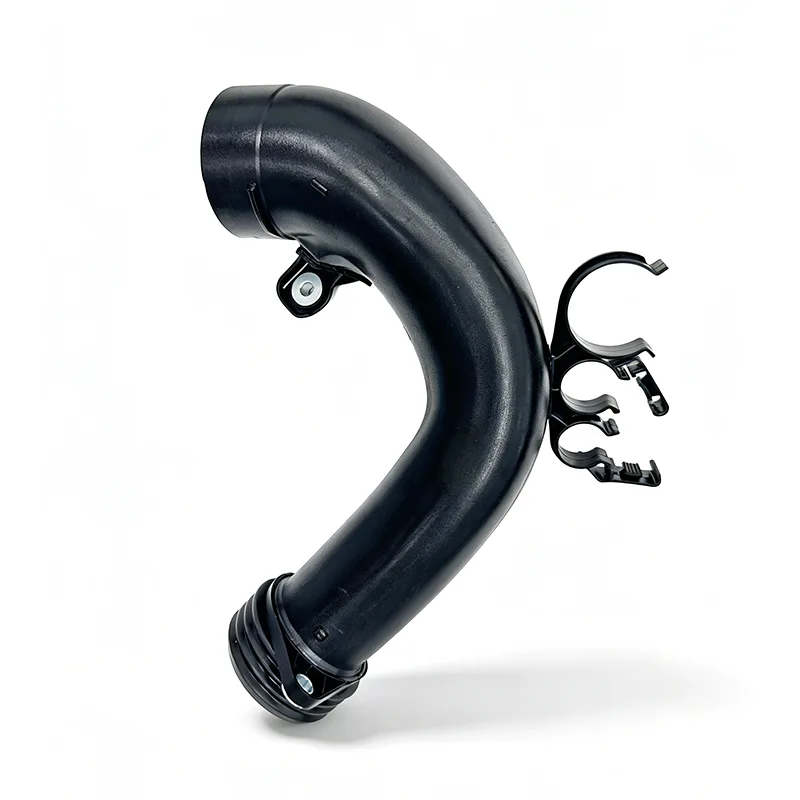
The OE number 144609905R is associated with an air intake duct used within Renault's 1.5 dCi diesel engine family. The component forms an important part of the engine air intake pathway, directing filtered air toward the combustion system.
Its primary functions include:
- Maintaining stable airflow
- Supporting engine efficiency
- Reducing intake turbulence
- Withstanding engine bay temperature fluctuations
- Providing secure connections between intake components
Because air intake systems operate continuously whenever the engine is running, durability and dimensional accuracy become particularly important.
Are Renault Trafic III and Vivaro B Related?
The short answer is yes.
Renault Trafic III and Opel/Vauxhall Vivaro B were developed under a collaborative vehicle platform strategy. During several production years, both vehicles shared numerous structural and mechanical components.
This shared engineering foundation means that many engine-related parts can have identical specifications. However, compatibility should always be confirmed through:
- OE reference number verification
- Engine code matching
- Production year confirmation
- Connector configuration inspection
While platform sharing increases the likelihood of interchangeability, relying on vehicle appearance alone is not recommended.
Quick Compatibility Overview
| Item | Renault Trafic III | Opel/Vauxhall Vivaro B |
| Platform Relationship | Shared Development Platform | Shared Development Platform |
| Common Diesel Engine Variants | Yes | Yes |
| Intake System Similarities | High | High |
| OE Verification Required | Yes | Yes |
| 144609905R Cross-Reference Potential | High for Matching Applications | High for Matching Applications |
The table highlights why many maintenance professionals investigate shared applications for intake components across these two vehicle families.
What Makes This Intake Pipe Different?
One challenge frequently reported in aftermarket maintenance is inconsistency in material quality.
Engine compartments expose components to:
- Extreme heat
- Cold-weather operation
- Vibration
- Oil vapor
- Moisture
- Continuous pressure changes
As a result, intake pipes must balance flexibility and structural strength.
The Renault Intake Pipe 144609905R discussed by Haochi utilizes TPEE material, which is commonly selected for demanding automotive environments due to its combination of elasticity and temperature resistance.
Preventing Premature Cracking
Traditional rubber-based components may experience aging after prolonged exposure to engine heat.
Modern thermoplastic elastomer materials can improve resistance to cracking and deformation, particularly in vehicles that accumulate high annual mileage.
Maintaining Secure Airflow Connections
Loose intake connections can create airflow irregularities that affect engine operation.
The use of genuine HENN connectors at both ends of the pipe contributes to connection stability and sealing performance.
Supporting Long-Term Reliability
Commercial vehicles often operate under demanding schedules.
For fleets and service centers, minimizing unexpected maintenance interruptions is often more valuable than simply reducing initial component costs.
Testing Beyond Visual Inspection
One misconception in the automotive maintenance sector is that if a component looks identical, it will automatically perform identically.
Experienced technicians know that appearance alone does not tell the full story.
According to production information released by Haochi, each completed intake pipe undergoes multiple inspections before shipment.
Temperature Cycle Verification
To simulate real-world operating conditions, the pipe is tested inside a climate chamber.
Testing conditions include:
| Test Parameter | Value |
| Low Temperature | -40°C |
| High Temperature | 140°C |
| Test Duration | 72 Hours |
| Evaluation Focus | Structural Integrity & Performance Stability |
Such testing helps evaluate how the component behaves when exposed to temperature extremes commonly encountered in engine compartments.
Connection Integrity Evaluation
The reliability of an intake system depends heavily on its connectors.
Specialized assembly equipment is used to secure imported HENN connection components, helping ensure consistent sealing performance during vehicle operation.
Common Signs an Intake Pipe May Need Attention
Vehicle owners and maintenance teams should monitor for symptoms that may indicate intake system issues.
Typical warning signs include:
Unusual Engine Noise
Whistling or hissing sounds around the engine compartment may indicate air leakage.
Reduced Engine Response
An interrupted airflow pathway can sometimes affect throttle response and overall drivability.
Visible Surface Damage
Cracks, splits, or connector wear can develop over time, especially in high-mileage vehicles.
Diagnostic Fault Codes
Modern engine management systems may detect airflow irregularities and trigger warning indicators.
Early inspection can help prevent minor issues from developing into larger maintenance concerns.
Why Accurate Replication Is Important
A growing trend within the automotive replacement parts industry involves reverse engineering based on original components.
The challenge is not simply reproducing the appearance of a part but accurately replicating:
- Dimensions
- Wall thickness
- Connector positions
- Material properties
- Installation geometry
According to Haochi's engineering team, detailed technical drawings are created during the development process to ensure dimensional consistency with the original component.
This attention to detail is particularly important for intake systems, where even small dimensional deviations may affect installation efficiency.
Global Demand for Commercial Vehicle Components Continues to Grow
Industry observers note that demand for reliable replacement components remains strong across North America, Europe, South America, and Asia.
The continued popularity of Renault Trafic III and Vivaro B vehicles means maintenance demand is expected to remain steady for years.
As fleets extend vehicle service life and focus on cost-efficient maintenance strategies, correctly matched air intake components become increasingly important.
The focus has shifted beyond simple replacement toward long-term durability, verified testing, and installation consistency.
Final Thoughts
For vehicles equipped with compatible Renault-Nissan alliance diesel applications, the Renault Intake Pipe 144609905R may offer fitment potential across both Renault Trafic III and Vivaro B platforms when OE references, engine specifications, and production details align. As always, technical verification remains the safest approach before installation. Through engineering development, material selection, climate-chamber testing, and quality-control procedures, Ningbo Haochi Technology Co., Ltd. continues contributing to the ongoing discussion surrounding dependable intake system solutions for modern commercial vehicles.
Related News
- Why Renault Intake Pipe 8201068612 Is Important for Engine Airflow Stability
- Why Are Modern Renault Car Intake Pipe Designs Becoming More Complex—and What Does That Mean for Owners?
- How Does the BMW Car Intake Pipe 13717609810 Improve Engine Performance?
- How Does a BMW Car Intake Pipe Improve Engine Performance?
- What Is a Renault Car Intake Pipe and Why Does It Matter for Engine Performance in 2026?
- How Does a Renault Car Intake Pipe Enhance Engine Performance?
Leave me a message