How Does a Mercedes-Benz Car Intake Pipe Improve Engine Performance?
Abstract: The intake pipe is a critical but often overlooked component of a Mercedes-Benz engine system. This article explains how the intake pipe works, why its quality matters, common problems owners face, and how to select the right intake pipe for lasting performance. Practical guidance, comparisons, and expert recommendations are provided to help drivers make informed decisions.

Table of Contents
- What Is a Mercedes-Benz Car Intake Pipe?
- Function and Importance in Engine Performance
- Common Symptoms of a Faulty Intake Pipe
- How to Choose the Right Intake Pipe
- Installation & Maintenance Tips
- Material & Design Comparison
- Frequently Asked Questions
- Conclusion
What Is a Mercedes-Benz Car Intake Pipe?
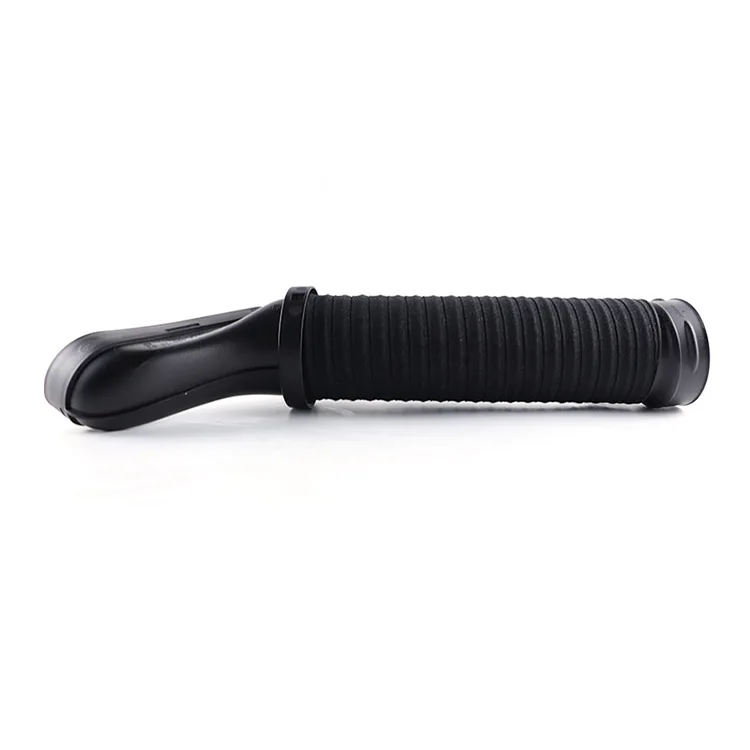
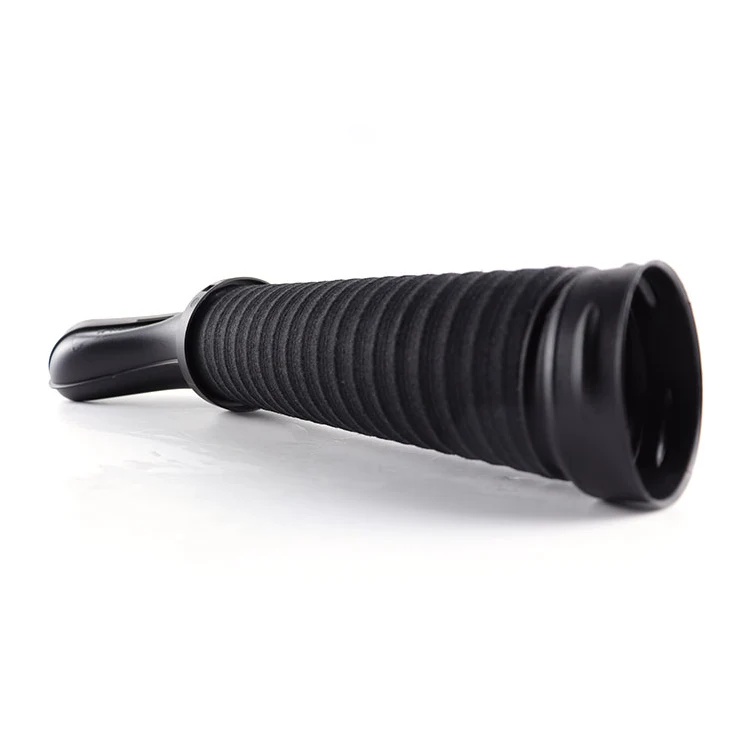
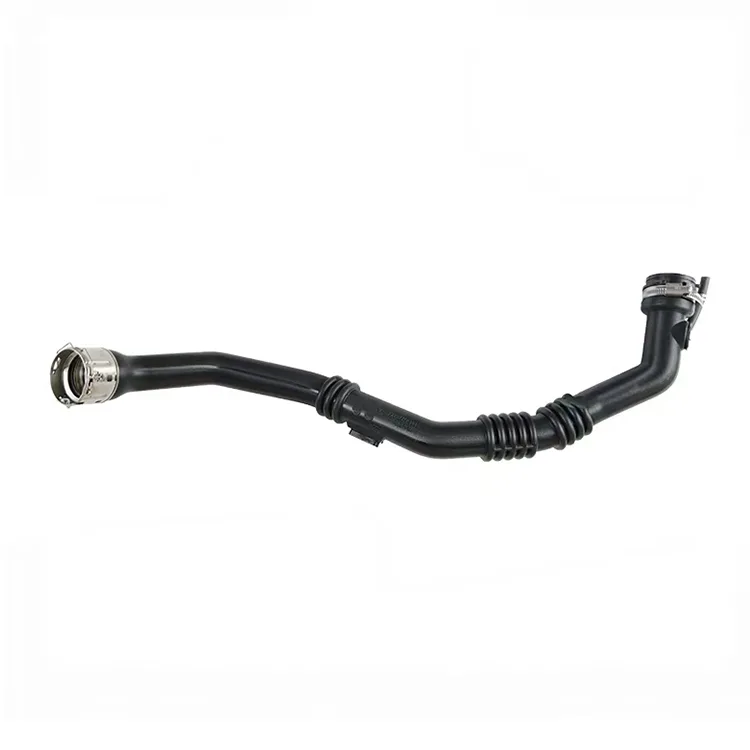
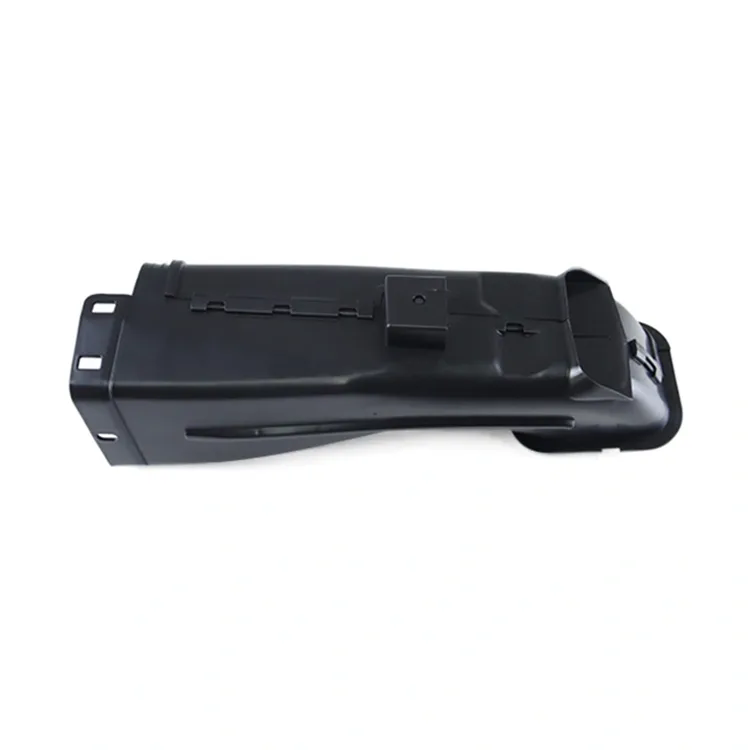
The intake pipe in a Mercedes-Benz engine system channels air from the air filter to the throttle body and combustion chamber. High-quality intake piping ensures sufficient airflow with minimal restriction, supporting optimal combustion and engine efficiency.
- Primary Role: Deliver clean, cool air to the engine intake manifold.
- Typical Construction: Durable materials such as reinforced rubber, silicone, or composite plastics.
- Position: Between air filter assembly and throttle body.
In modern Mercedes-Benz vehicles, intake pipe design is tuned to match engine calibration, reducing turbulence and maximizing volumetric efficiency.
Function and Importance in Engine Performance
The intake pipe directly influences how the engine “breathes.” A well-designed intake pipe achieves steady airflow, improves throttle response, and can enhance fuel economy.
| Feature | Impact on Engine | Result for Driver |
|---|---|---|
| Unrestricted Airflow | Better combustion efficiency | Smoother acceleration & improved power |
| Heat Resistance | Reduced intake air temperature | More stable performance under load |
| Durable Seals | Prevents vacuum leaks | Consistent idle & fuel management |
Without a properly functioning intake pipe, Mercedes-Benz vehicles may experience reduced performance, increased emissions, and unstable engine behavior.
Common Symptoms of a Faulty Intake Pipe
Identifying intake pipe issues early can prevent costly engine repairs. Typical signs include:
- Check Engine Light: Triggered by airflow sensor anomalies.
- Rough Idle: Caused by vacuum leaks or air pressure imbalance.
- Poor Throttle Response: Restricted airflow reduces acceleration.
- Unusual Noises: Whistling or hissing sounds indicate leaks.
Drivers often mistake these symptoms for broader engine problems. A focused inspection of the intake pipe can quickly isolate the cause.
How to Choose the Right Intake Pipe
Selecting the right intake pipe involves understanding fitment, material quality, and compatibility with sensors.
Fitment and Compatibility
- Ensure OEM or OEM-equivalent specifications.
- Check mounting points, diameters, and sensor ports.
- Verify compatibility with the specific Mercedes-Benz model and engine code.
Material and Durability
- Reinforced Rubber: Flexible but may degrade faster under heat.
- Silicone: Heat resistant with good longevity.
- Composite Plastics: Lightweight and dimensionally stable.
Quality intake pipes resist heat deterioration, maintain seal integrity, and support stable airflow for extended service life.
Installation & Maintenance Tips
Correct installation and regular maintenance extend intake pipe life and engine performance:
- Use Proper Torque: Tighten clamps and bolts according to manufacturer specifications.
- Inspect Regularly: Look for cracks, soft spots, and air leaks.
- Clean Air Filter: A clogged filter increases strain on the intake system.
- Replace Aging Components: Replace old hoses and seals during routine service.
Routine checks at scheduled service intervals can prevent unexpected failures and maintain consistent drivability.
Material & Design Comparison
Choosing between materials affects performance outcomes and durability. Here’s a quick comparison:
| Material | Heat Tolerance | Flexibility | Longevity |
|---|---|---|---|
| Reinforced Rubber | Medium | High | Medium-Low |
| Silicone | High | Medium | High |
| Composite Plastic | Medium-High | Low | High |
Silicone and composite options are increasingly preferred for performance-oriented builds or vehicles operating in harsh environments.
Frequently Asked Questions
Can a damaged intake pipe cause low fuel efficiency?
Yes. Airflow disruption can affect the air-fuel ratio, leading to inefficient combustion and higher fuel consumption.
Is it safe to drive with a cracked intake pipe?
Driving with a compromised intake pipe can lead to engine hesitation, increased wear on engine components, and should be addressed promptly.
How often should the intake pipe be inspected?
Inspect the intake pipe during every major service interval or if performance issues arise. Regular checks ensure early detection of problems.
Can aftermarket intake pipes improve performance?
High-quality aftermarket pipes can offer performance benefits if designed to match or exceed OEM specifications. Always verify fitment and quality before purchase.
Does replacing the intake pipe require tuning?
In most cases, a direct-fit intake pipe replacement does not require engine tuning. However, performance upgrades may benefit from ECU adjustments.
Conclusion
Understanding the role of the Mercedes-Benz car intake pipe helps you maintain engine efficiency, prevent drivability issues, and make informed upgrade decisions. Quality materials, correct installation, and regular maintenance are key to reliable performance.
For premium replacement parts that meet strict quality standards and fitment requirements, choose Haochi. If you have questions about the right intake pipe for your vehicle or need assistance placing an order, contact us today for expert support and fast shipping.
Related News
- Does Renault Intake Pipe 144609905R Fit Both Trafic III And Vivaro B Models?
- How Does the BMW Car Intake Pipe 13717609810 Improve Engine Performance?
- How Does a BMW Car Intake Pipe Improve Engine Performance?
- What Is a Renault Car Intake Pipe and Why Does It Matter for Engine Performance in 2026?
- How Does a Renault Car Intake Pipe Enhance Engine Performance?
- How Does a Renault Car Intake Pipe Improve Engine Performance?
Leave me a message