Why Are Modern Renault Car Intake Pipe Designs Becoming More Complex—and What Does That Mean for Owners?
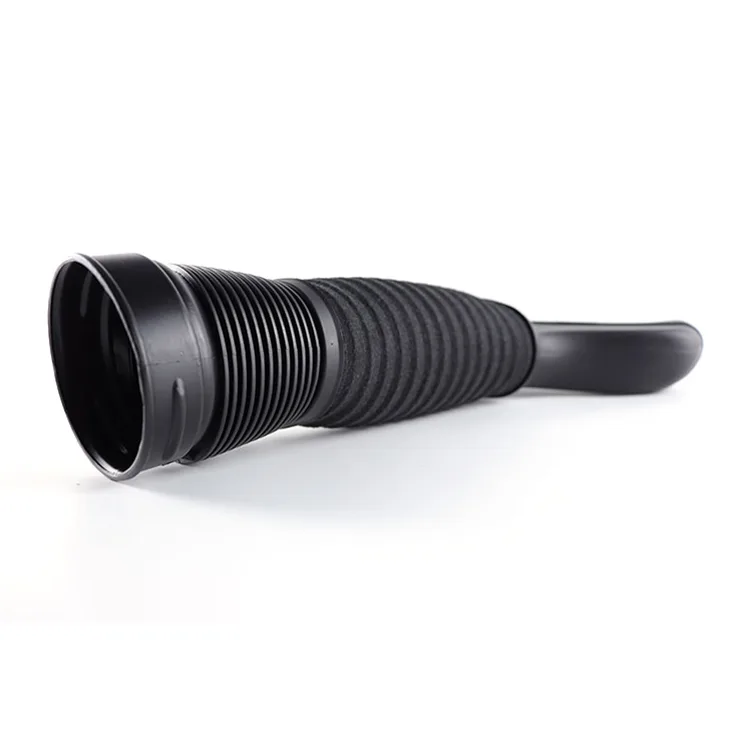
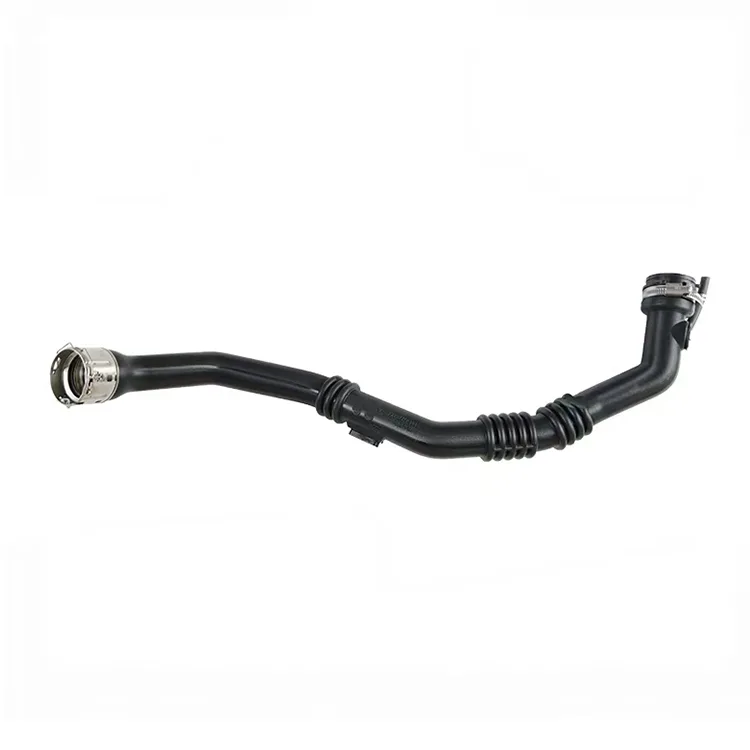
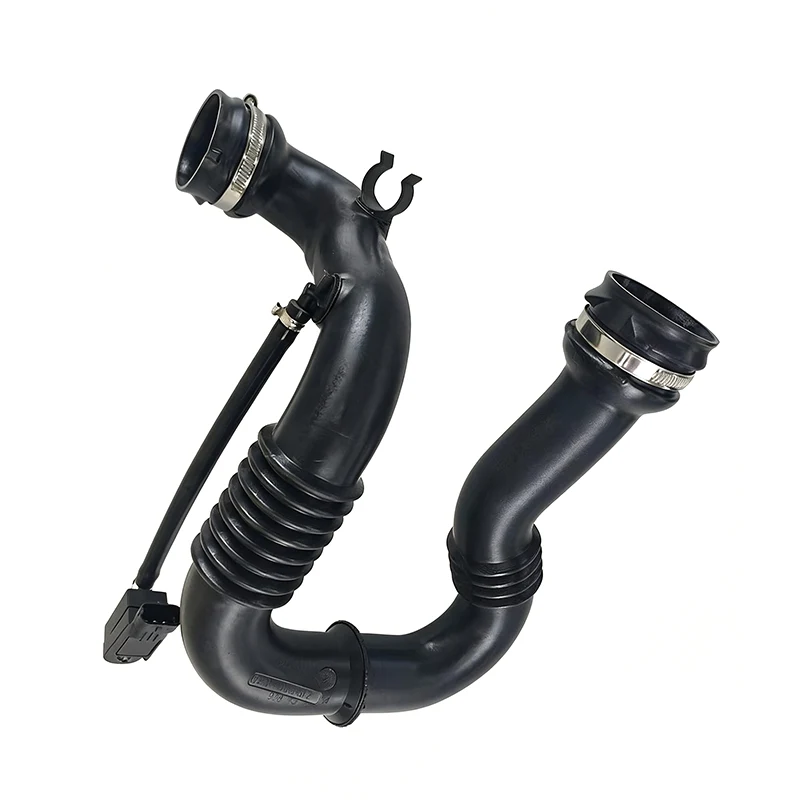
Modern Renault vehicles are equipped with increasingly advanced engine systems, and the Renault Car Intake Pipe has evolved from a simple air passage component into a precisely engineered part that supports airflow control, emissions performance, and engine efficiency. This change reflects how vehicle technology has developed over the past decade.
The Changing Role of Intake Pipes in Modern Vehicles
In older vehicles, intake pipes mainly served one purpose: delivering air from the filter to the engine. Today, the intake system must meet much higher requirements.
Modern engines use turbocharging, improved combustion technologies, and stricter emission standards. These systems require more accurate airflow management, which means intake pipes must be designed with greater attention to shape, material, and connection accuracy.
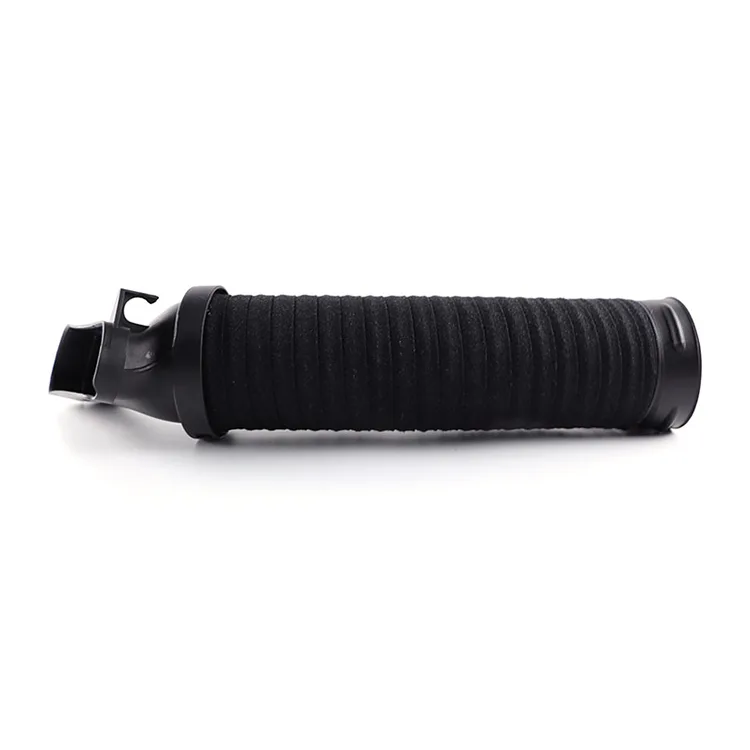
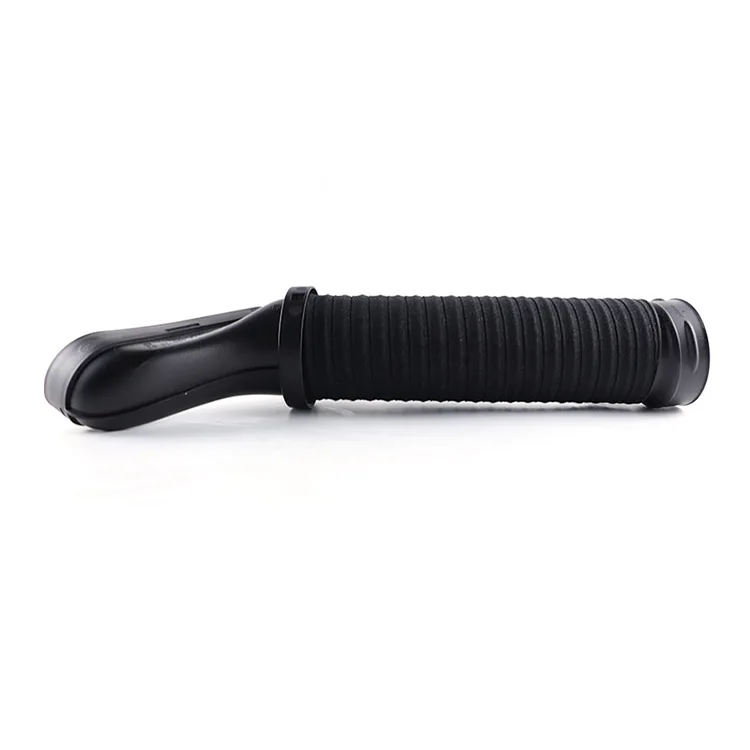
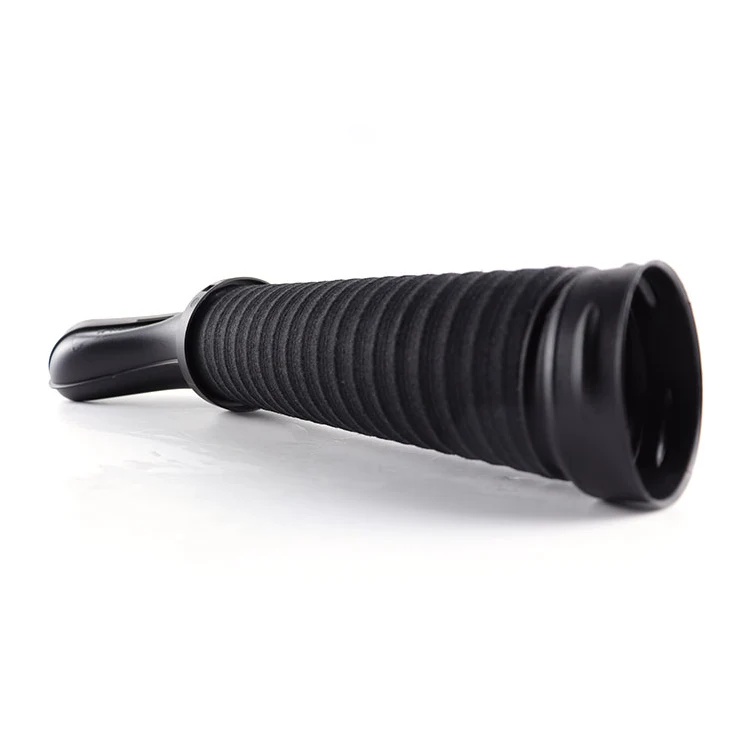
A modern Renault car intake pipe is no longer just a flexible tube. It is designed to work together with sensors, turbo systems, and other engine components to maintain stable air delivery under different driving conditions.
Why Are Intake Pipe Designs Becoming More Complex?
Several factors are influencing the development of newer intake pipe designs.
1. Turbocharged Engine Requirements
Many Renault diesel and gasoline engines use turbocharging technology. A turbocharged engine depends on a controlled supply of air to achieve better combustion.
The intake pipe needs to handle:
| Requirement | Reason |
|---|---|
| Stable airflow | Supports consistent engine operation |
| Pressure resistance | Handles turbo system conditions |
| Heat resistance | Survives high temperatures in the engine bay |
| Precise dimensions | Ensures proper connection with related parts |
A small design difference can affect installation accuracy or create potential air leakage problems.
2. More Compact Engine Compartments
Modern vehicles are designed with tighter engine layouts to improve space utilization and vehicle performance.
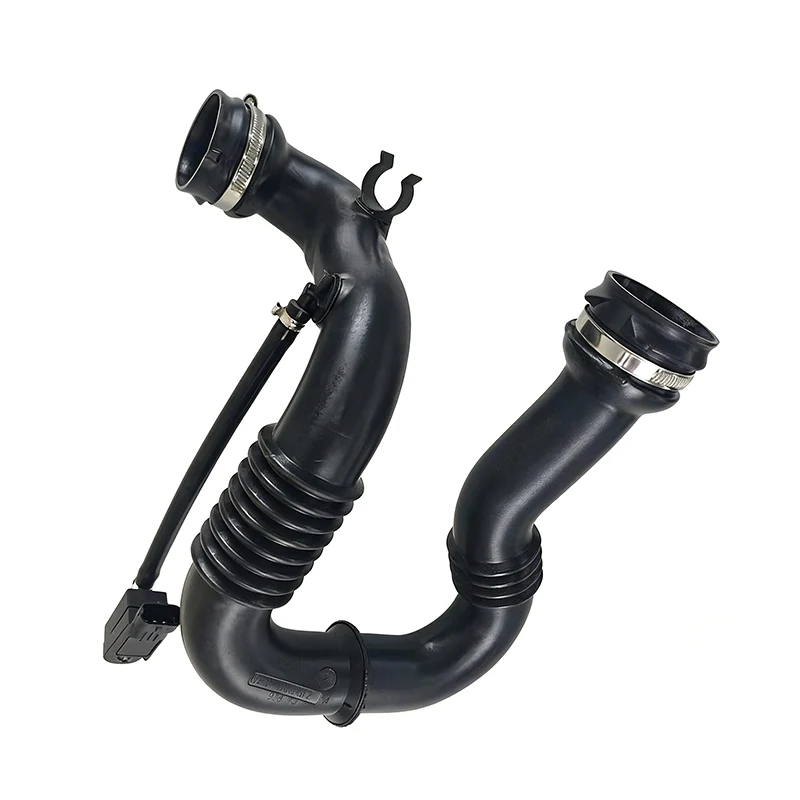
As a result, intake pipes often have more complex curves and connection structures compared with older designs. Engineers must create components that fit limited spaces while maintaining smooth airflow.
This makes manufacturing accuracy increasingly important because even small dimensional changes may affect whether a component fits correctly.
3. Higher Material Requirements
Traditional rubber materials were widely used for many intake components in the past. However, modern engines create more demanding operating environments.
Today's intake pipes often require materials that can withstand:
Materials such as TPEE are increasingly used because they provide a balance between flexibility and structural stability.
What Does This Mean for Renault Vehicle Owners?
For vehicle owners and maintenance teams, more advanced intake pipe designs bring both benefits and new considerations.
Better Engine Air Management
A properly designed Renault Car Intake Pipe helps maintain a smooth airflow path. This supports efficient combustion and helps the engine operate according to its intended design.
More Attention Needed During Replacement
Because intake pipes are now more precisely engineered, replacement is no longer simply a matter of matching appearance.
Important factors include:
For example, components such as the Renault Intake Pipe 144609905R are developed according to specific vehicle applications, and checking technical compatibility before installation helps avoid unnecessary replacement issues.
Common Problems Caused by Aging Intake Pipes
Although intake pipes are designed for long-term operation, they are exposed to harsh conditions every day.
Common signs of intake pipe aging include:
| Symptom | Possible Cause |
| Air leakage sound | Cracks or loose connections |
| Reduced engine response | Unstable airflow |
| Engine warning light | Intake system irregularities |
| Visible surface damage | Material aging or vibration stress |
Regular inspection is especially important for commercial vehicles that accumulate high mileage.
How Quality Testing Has Changed
As intake pipe designs become more complex, testing methods have also improved.
A reliable inspection process usually includes dimensional checks, connection tests, and environmental evaluations.
For example, Ningbo Haochi Technology Co., Ltd. applies multiple inspection procedures during production of automotive intake components. Temperature cycle testing from -40°C to 140°C over 72 hours is used to evaluate how components respond to extreme operating conditions.
These tests focus on practical performance factors, including:
The Importance of Accurate Engineering Replication
For replacement components, accurate replication has become a key factor.
An intake pipe that looks similar externally may still differ in internal structure, connector placement, or material performance.
Modern production processes involve:
This approach helps ensure that replacement components match the requirements of specific vehicle systems.
Future Trends in Intake Pipe Development
As automotive technology continues to change, intake systems will likely become even more integrated.
Future designs may focus on:
For owners of Renault vehicles, this means understanding component specifications will become increasingly important when maintaining modern engines.
Conclusion
The increasing complexity of Renault car intake pipe designs reflects broader changes in automotive engineering. Modern engines require components that provide accurate airflow control, reliable connections, and resistance to demanding operating conditions. Choosing a component based on correct specifications rather than appearance alone remains essential. Companies such as Ningbo Haochi Technology Co., Ltd. continue developing automotive intake solutions, including the Renault Intake Pipe 144609905R, to meet the technical requirements of today's vehicle systems.
Previous :
-
Related News
- Does Renault Intake Pipe 144609905R Fit Both Trafic III And Vivaro B Models?
- How Does the BMW Car Intake Pipe 13717609810 Improve Engine Performance?
- How Does a BMW Car Intake Pipe Improve Engine Performance?
- What Is a Renault Car Intake Pipe and Why Does It Matter for Engine Performance in 2026?
- How Does a Renault Car Intake Pipe Enhance Engine Performance?
- How Does a Mercedes-Benz Car Intake Pipe Improve Engine Performance?
Leave me a message