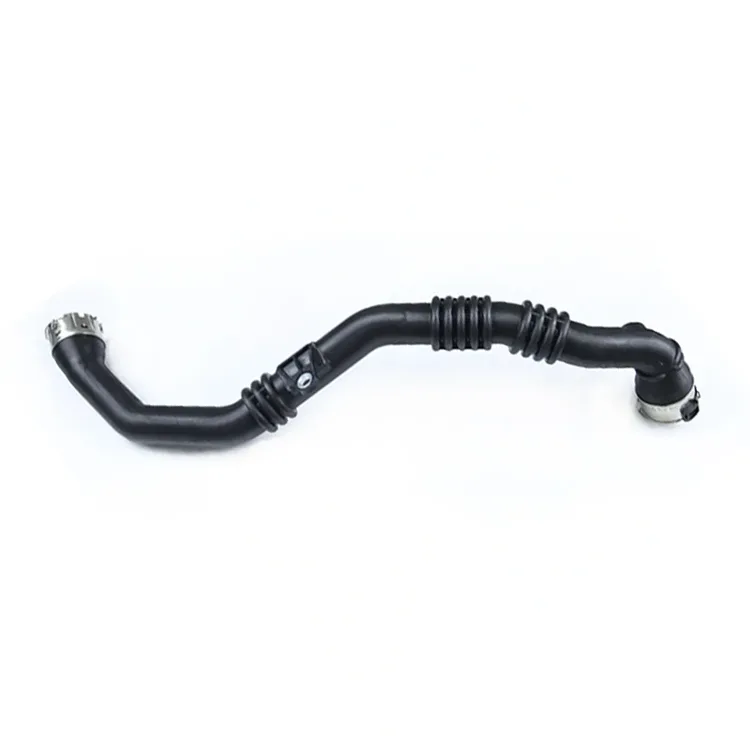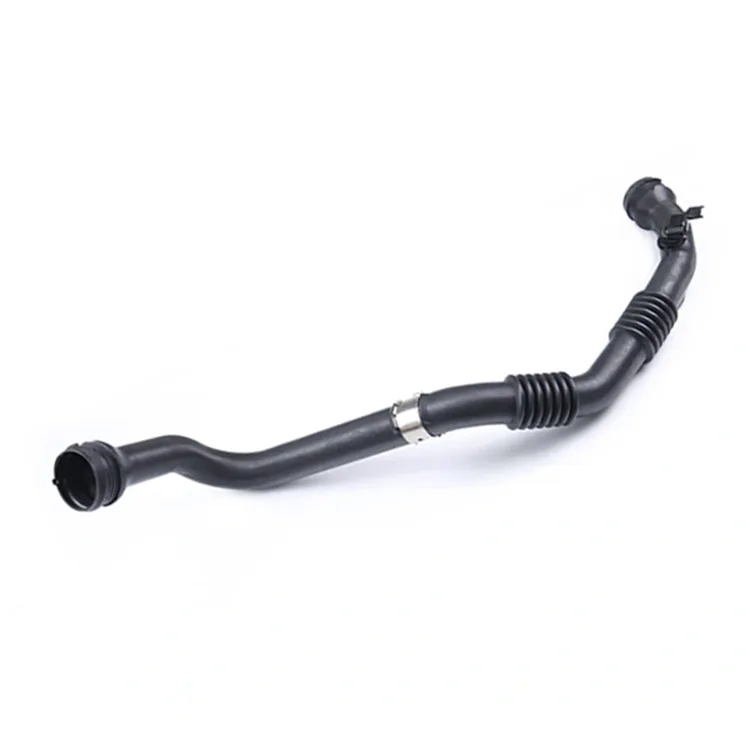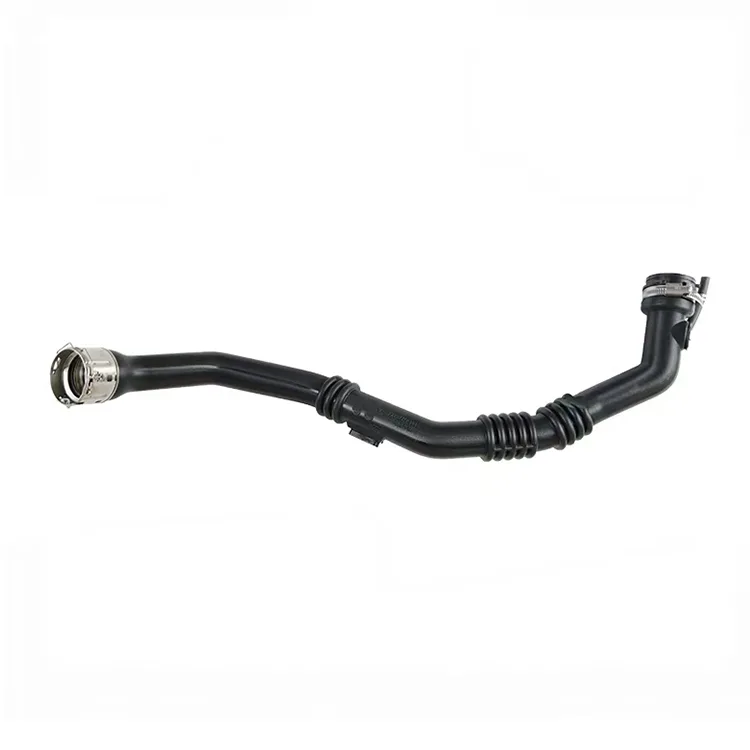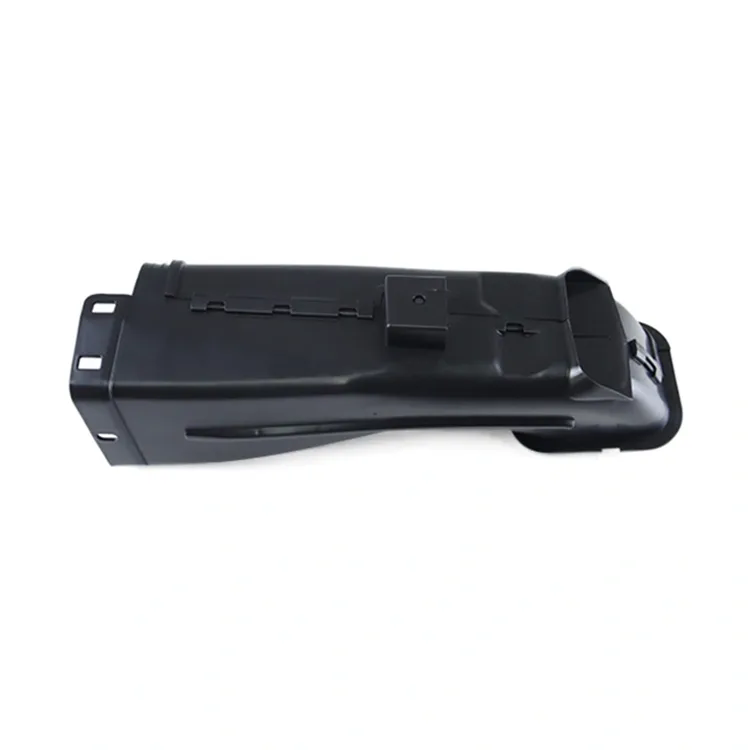
What Is a Renault Car Intake Pipe and Why Does It Matter for Engine Performance in 2026?
Engine performance is shaped by dozens of components working in precise coordination, and the air intake system sits at the very heart of that equation. The Renault Car Intake Pipe is a critical conduit responsible for delivering a measured, clean, and unrestricted airflow from the air filter housing directly into the engine throttle body or turbocharger inlet. Without a properly functioning intake pipe, combustion efficiency collapses, fuel economy suffers, and the engine loses the responsive power delivery that Renault drivers expect on both city roads and open highways.
In 2026, rising consumer demands for fuel efficiency, stricter emissions regulations across Europe and North America, and the accelerating growth of performance-oriented vehicle modifications have all pushed the Renault Car Intake Pipe into the spotlight. At Ningbo Haochi Technology Co., Ltd., our engineering teams have spent years refining intake pipe designs specifically matched to Renault engine architectures. This article walks through everything you need to know about this component, from its core function and technical specifications to why choosing a premium-grade intake pipe is one of the most impactful decisions you can make for your vehicle in 2026.

Table of Contents
- What Is a Renault Car Intake Pipe and How Does It Work?
- Why Does the Renault Car Intake Pipe Matter for Engine Performance?
- What Are the Key Product Specifications and Parameters?
- How Do You Choose the Right Renault Car Intake Pipe for Your Model?
- Why Choose Ningbo Haochi Technology Co., Ltd. as Your Supplier?
- Conclusion
- FAQ
What Is a Renault Car Intake Pipe and How Does It Work?
The Renault Car Intake Pipe is a precision-engineered air channel that connects the air filtration assembly to the engine intake manifold or turbocharger inlet. Its primary role is deceptively simple: move air. But the engineering behind doing that efficiently, quietly, and durably under extreme under-hood temperatures is anything but simple.
Our intake pipes are designed to manage airflow dynamics across the full RPM range. At idle, the pipe maintains stable low-pressure air delivery. Under hard acceleration, it must handle rapid pressure fluctuations without collapsing or distorting. The internal bore diameter, wall thickness, bend angles, and surface finish all directly influence how much air the engine receives at any given moment.
Core Functions of the Intake Pipe
- Channels filtered ambient air from the airbox to the throttle body or turbo inlet
- Reduces intake air turbulence through smooth internal geometry
- Absorbs engine vibration to prevent stress cracking at connection points
- Maintains an airtight seal to prevent unmetered air from entering the system
- Withstands high under-hood temperatures without deforming or off-gassing
- Supports mass airflow sensor and breather hose integration points
In turbocharged Renault models such as the Megane RS, Clio RS Line, and Arkana TCe, the intake pipe also plays a secondary role in managing boost pressure stability. Any micro-leak in the pipe wall or at a clamp joint allows boost pressure to bleed off, resulting in turbo lag, reduced power, and potential fault codes from the engine control unit. Our factory conducts 100% pressure leak testing on every unit before it leaves the production floor.
Materials Used in Modern Intake Pipe Construction
- Reinforced silicone rubber: High flexibility, excellent heat resistance up to 180 degrees Celsius, ideal for turbocharged applications
- High-density polyethylene (HDPE): Lightweight, rigid, dimensionally stable for naturally aspirated setups
- Aluminum alloy: Superior thermal dissipation, premium appearance, popular in performance builds
- EPDM rubber: Cost-effective, good ozone resistance, suitable for standard OEM replacement
At Ningbo Haochi Technology Co., Ltd., our engineering team selects materials based on the specific Renault engine variant, operating temperature range, and whether the application is naturally aspirated or turbocharged. This targeted approach eliminates the guesswork that plagues generic aftermarket suppliers and ensures a precise, long-lasting fit.
Why Does the Renault Car Intake Pipe Matter for Engine Performance?
Many vehicle owners overlook the intake pipe during routine maintenance until a visible crack appears or a boost leak code triggers a dashboard warning. The reality is that intake pipe degradation is a gradual process, and performance losses accumulate well before a failure becomes obvious. Understanding why this component matters empowers owners and mechanics to make proactive decisions that protect engine health and driving enjoyment.
The relationship between air delivery and combustion efficiency is direct and measurable. A 10% reduction in airflow due to a collapsed, cracked, or undersized intake pipe can result in a proportional drop in power output, increased fuel consumption, and elevated exhaust emissions. In 2026, with Euro 7 emissions standards now shaping European vehicle operation, maintaining optimal intake system integrity is no longer just a performance preference; it is increasingly a regulatory concern.
Measurable Performance Impacts
- Throttle response: A clean, unrestricted intake pipe reduces the lag between pedal input and engine reaction
- Fuel efficiency: Proper air-fuel ratio management depends on accurate, uninterrupted airflow data from the MAF sensor mounted on the pipe
- Horsepower and torque: Peak power figures are only achievable when airflow volume and velocity meet design specifications
- Engine longevity: Preventing oil vapor contamination through a properly sealed PCV breather port keeps combustion chambers clean
- Emissions compliance: Correct air metering supports catalytic converter efficiency and reduces harmful exhaust output
Common Signs of a Failing Intake Pipe
- Rough idle or stalling at low RPM
- Check engine light with MAF sensor fault codes
- Noticeable drop in acceleration response
- Increased fuel consumption without change in driving habits
- Audible hissing sound from the engine bay under load
- Visible cracks, swelling, or oil residue on pipe exterior
Our team at Haochi regularly works with distributors and workshops across Europe, the Middle East, and Southeast Asia who report that switching to our Renault Car Intake Pipe resolves recurring fault codes and restores engine responsiveness in vehicles that previously showed no visible damage. This is because our pipes meet tighter dimensional tolerances than many OEM replacements, ensuring the MAF sensor sits at the exact specified distance from the throttle body.
What Are the Key Product Specifications and Parameters?
Technical precision is the foundation of our product development process. Every Renault Car Intake Pipe produced at our factory undergoes rigorous dimensional inspection and material testing before it is approved for sale. Below are the detailed specifications for our core product range, presented to help purchasing managers, mechanics, and fleet operators make informed sourcing decisions.
General Product Parameters
| Product Name | Renault Car Intake Pipe |
| Manufacturer | Ningbo Haochi Technology Co., Ltd. |
| Compatible Brands | Renault (all major passenger and light commercial models) |
| Material Options | Reinforced Silicone, HDPE, EPDM Rubber, Aluminum Alloy |
| Temperature Range | -40 degrees C to +180 degrees C (silicone variants) |
| Pressure Tolerance | Up to 2.5 bar (turbocharged application pipes) |
| Inner Diameter Range | 45mm to 90mm (model-specific) |
| Wall Thickness | 4mm to 8mm depending on application |
| Surface Finish | Smooth interior bore, textured exterior for grip and heat dissipation |
| Certifications | ISO 9001:2015, IATF 16949, RoHS Compliant |
| OEM Cross-Reference | Full OEM part number database available upon request |
| Minimum Order Quantity | 50 units per SKU |
| Lead Time | 15 to 25 business days (standard); 7 to 10 days (express) |
| Packaging | Individual poly bag plus outer carton; custom branding available |
| Warranty | 24 months from date of manufacture |
Model Compatibility Reference
| Renault Clio IV / V | 0.9 TCe, 1.0 SCe, 1.3 TCe, 1.5 dCi |
| Renault Megane III / IV | 1.2 TCe, 1.3 TCe, 1.5 dCi, 1.6 dCi, 2.0 RS |
| Renault Kadjar | 1.2 TCe, 1.3 TCe, 1.5 dCi, 1.6 dCi |
| Renault Captur I / II | 0.9 TCe, 1.0 TCe, 1.3 TCe, 1.5 dCi |
| Renault Arkana | 1.3 TCe mild hybrid, 1.6 full hybrid |
| Renault Trafic / Master | 1.6 dCi, 2.0 dCi (light commercial) |
| Renault Laguna III | 2.0 TCe, 2.0 dCi, 3.5 V6 |
| Renault Scenic IV | 1.3 TCe, 1.5 dCi, 1.7 Blue dCi |
Quality Control Process
- Incoming raw material spectrographic analysis and hardness verification
- Dimensional inspection using CMM (coordinate measuring machine) to 0.01mm tolerance
- Burst pressure testing at 150% of rated operating pressure
- Thermal cycling tests between -40 degrees C and +180 degrees C over 500 cycles
- UV and ozone aging resistance testing per ISO 1431 standards
- 100% visual inspection for surface defects, inclusions, and weld line integrity
- Salt spray corrosion testing for metal-reinforced variants (500 hours minimum)
How Do You Choose the Right Renault Car Intake Pipe for Your Model?
Selecting the correct intake pipe is not simply a matter of finding a part that physically fits. The right pipe must match the engine displacement, induction type (naturally aspirated vs. turbocharged), operating environment, and intended use case, whether that is standard road use, fleet operation, or performance driving. Getting this selection wrong results in poor fitment, compromised sealing, and potential engine damage over time.
Our customer support and technical sales teams at Ningbo Haochi Technology Co., Ltd. assist buyers around the world in identifying the exact pipe specification for their application. Below is a structured selection framework that covers the most important decision points.
Step-by-Step Selection Guide
- Identify your Renault model year, engine code, and displacement from the vehicle identification plate or owner manual
- Confirm whether your engine is naturally aspirated, turbocharged petrol, or turbocharged diesel, as each uses a different pipe design and pressure rating
- Check whether your vehicle uses a mass airflow sensor mounted in the intake pipe, as this affects bore diameter and sensor port positioning requirements
- Determine the operating environment: extreme heat climates require silicone-reinforced variants; cold climates benefit from EPDM compounds with superior low-temperature flexibility
- Decide between OEM-equivalent replacement for standard use or an upgraded performance pipe if the engine has been remapped or fitted with a performance air filter
- Cross-reference the OEM part number with our catalog or provide the VIN to our team for a direct match confirmation
Material Selection by Application Type
| Standard Replacement (NA Engine) | HDPE or EPDM Rubber | Cost-effective, direct OEM fitment, suitable for normal driving conditions |
| Turbocharged Replacement | Reinforced Silicone | High pressure tolerance, heat resistance, flexible enough to absorb engine movement |
| Performance Upgrade | Aluminum Alloy or Performance Silicone | Reduced heat soak, wider bore option, compatible with ECU remaps and cold air intake systems |
| Light Commercial / Fleet | Heavy-duty EPDM or Reinforced Silicone | Extended service life, resistant to diesel particulate contamination, lower total cost of ownership |
Our factory maintains a live inventory of over 200 SKUs covering the most popular Renault models sold across Europe, Australia, the Middle East, and Latin America. For less common variants or older model years, our tooling team can produce custom intake pipes within 20 to 30 business days based on submitted OEM samples or CAD drawings.
Why Choose Ningbo Haochi Technology Co., Ltd. as Your Supplier?
The global automotive parts aftermarket is saturated with suppliers offering low prices at the expense of quality, traceability, and technical support. At Ningbo Haochi Technology Co., Ltd., our approach is fundamentally different. Founded on a culture of engineering precision and customer partnership, our factory has built a reputation across more than 60 countries as a reliable, technically capable manufacturer of intake system components for European vehicles.
Our production facility in Ningbo, China spans over 15,000 square meters and operates under an IATF 16949-certified quality management system. Every product leaving our facility is backed by comprehensive documentation, full traceability to raw material batch records, and a 24-month warranty covering defects in materials and workmanship. Our clients include independent importers, national automotive parts distributors, OEM tier-2 suppliers, and large vehicle repair chains across Europe and Asia-Pacific.
Our Core Competitive Advantages
- Over 12 years of focused experience manufacturing intake system components for European vehicle brands
- In-house tooling and mold development capabilities allowing rapid custom product development
- Full ISO 9001:2015 and IATF 16949 certification with third-party audit documentation available
- Dedicated technical support team fluent in English, French, Spanish, and Arabic for cross-border client service
- Flexible minimum order quantities starting from 50 units to support both small distributors and large-volume buyers
- Custom OEM packaging, private label branding, and white-label programs available for established distributors
- Sea, air, and express courier shipping options with full export documentation and DDP delivery available to major markets
- Sample programs available for new clients to validate quality before committing to full orders
Why Buyers Return to Our Factory
| Consistent Quality | Our defect return rate across all markets is below 0.3%, backed by multi-stage inspection and full batch traceability |
| Technical Depth | Our engineering team can review OEM specifications, advise on material upgrades, and troubleshoot fitment issues remotely |
| Delivery Reliability | 96.4% on-time shipment rate over the past 36 months, supported by strong logistics partnerships with major freight forwarders |
| Price Transparency | Clear tiered pricing with no hidden surcharges; volume discount structure provided upfront in quotations |
| Responsive Communication | All quotation requests acknowledged within 4 business hours; dedicated account managers for orders above USD 10,000 |
Ningbo Haochi Technology Co., Ltd. is a verified supplier on multiple international B2B platforms and has successfully passed factory audits conducted by third-party inspection agencies including SGS and Bureau Veritas. Our commitment to transparency means that potential buyers can request full audit reports, quality certificates, and production capacity assessments before placing their first order.
Conclusion
The Renault Car Intake Pipe is far more than a simple rubber hose connecting two engine components. It is a precision component that directly governs combustion quality, fuel efficiency, throttle responsiveness, and emissions compliance. As vehicle technology grows more sophisticated and regulatory standards tighten through 2026 and beyond, the quality of every component in the air intake system becomes increasingly consequential for both vehicle performance and long-term reliability.
Our team at Ningbo Haochi Technology Co., Ltd. has engineered our entire intake pipe product range around a single principle: every pipe that leaves our factory must perform at or above OEM specification in the real-world conditions Renault drivers face every day. From the raw material selection and mold design through to pressure testing and packaging, every step of our process is built around delivering a product that importers, workshops, and end users can trust without reservation.
Whether you are a parts distributor expanding your European vehicle catalog, a fleet manager sourcing reliable replacement components, or a performance workshop looking for an upgrade over standard OEM parts, our Renault Car Intake Pipe range has a solution designed for your exact requirements.
Ready to Source Premium Renault Car Intake Pipes?
Contact the team at Ningbo Haochi Technology Co., Ltd. today to receive:
- A free product catalog covering all Renault intake pipe SKUs
- Competitive wholesale pricing with volume discount tiers
- Free sample program for qualified distributors and importers
- Technical consultation to confirm the correct specification for your application
- Full quality documentation including ISO and IATF certificates
Send your inquiry to our international sales team and receive a detailed quotation within 24 business hours. Our factory is ready to support your 2026 sourcing needs with fast lead times, reliable logistics, and engineering-grade quality that your customers can depend on.
FAQ: Renault Car Intake Pipe and Engine Performance in 2026
Q1: How often should the Renault Car Intake Pipe be inspected or replaced?
A: For most Renault models under standard driving conditions, the intake pipe should be visually inspected during every major service interval, typically every 30,000 to 40,000 kilometers or every two years. A full replacement is generally recommended every 80,000 to 120,000 kilometers, or sooner if cracks, swelling, softening, or oil contamination are detected. Turbocharged engines should be inspected more frequently due to higher thermal and pressure stress on the pipe material. Vehicles operated in high-temperature climates or used for towing and heavy-load applications may also require earlier replacement. Proactive replacement before visible failure prevents unmetered air ingestion, which can cause costly damage to the MAF sensor and catalytic converter over time.
Q2: Can a damaged intake pipe cause the check engine light to illuminate on a Renault vehicle?
A: Yes, a cracked or disconnected intake pipe is one of the most common causes of check engine light activation on Renault vehicles. When the pipe develops a leak, unmetered air bypasses the mass airflow sensor and enters the engine, creating a discrepancy between the expected and actual air-fuel ratio. The engine control unit detects this imbalance and logs fault codes typically related to lean mixture conditions, MAF sensor signal plausibility errors, or boost pressure deviations in turbocharged models. These codes can include P0101, P0171, and P0299, among others depending on the engine variant. Simply clearing the codes without replacing the intake pipe will result in their immediate return. Replacing the pipe with a correctly specified unit from a quality manufacturer eliminates the root cause and restores normal ECU operation without further intervention.
Q3: What is the difference between an OEM intake pipe and an aftermarket performance intake pipe for Renault engines?
A: An OEM-equivalent intake pipe is manufactured to exactly replicate the original factory design, using the same bore diameter, bend geometry, port positions, and material specification. It is the correct choice for vehicles that remain in standard factory tune and require a straightforward, reliable replacement. A performance intake pipe, by contrast, is engineered to improve on the OEM design by increasing the internal bore diameter for higher airflow volume, using smoother internal surface finishes to reduce turbulence, and employing higher-grade materials such as reinforced silicone or polished aluminum alloy to reduce heat soak and weight. Performance pipes are particularly beneficial on remapped or stage-tuned Renault TCe and RS engines where the increased air demand exceeds what the original pipe was designed to deliver. It is important to note that a performance intake pipe on a standard, untuned engine may trigger MAF sensor fault codes if the diameter change is too large, so matching the upgrade level to the engine state of tune is essential.
Q4: How do I verify that an aftermarket Renault Car Intake Pipe is compatible with my specific vehicle before purchasing?
A: The most reliable method is to cross-reference the aftermarket part against the original OEM part number found on the existing pipe, in the vehicle service manual, or via the vehicle identification number (VIN) lookup through a trusted parts database. The VIN encodes the exact engine code, production year, and market specification, allowing precise part matching without ambiguity. When purchasing from Ningbo Haochi Technology Co., Ltd., buyers can provide the OEM part number or full VIN and our technical team will confirm compatibility before the order is processed. Additionally, checking the internal diameter at both the airbox and throttle body connection ends, the position and size of the MAF sensor port, the position of any breather or crankcase ventilation hose barbs, and the overall pipe length and bend profile against the original are all important verification steps for workshops performing installation. If any dimension differs by more than 1mm at a connection point, the seal integrity cannot be guaranteed.
Q5: Why are reinforced silicone intake pipes considered superior to standard rubber pipes for turbocharged Renault applications?
A: Standard EPDM rubber intake pipes perform adequately in naturally aspirated engines where operating temperatures are moderate and there is no positive pressure in the induction system. In turbocharged Renault engines, however, the intake pipe must withstand a combination of elevated temperatures from turbocharger proximity, positive boost pressures that create outward stress on the pipe walls, and rapid pressure fluctuations during gear changes and throttle lift-off events. Reinforced silicone pipes address all three of these challenges simultaneously. The silicone compound retains its shape, flexibility, and tensile strength at temperatures up to 180 degrees Celsius, whereas standard rubber begins to soften and degrade above 120 degrees Celsius. The fabric reinforcement layer woven into multi-ply silicone pipes prevents ballooning under boost pressure, maintaining a consistent bore diameter and seal integrity. Furthermore, silicone is chemically inert and does not react with oil vapor from the PCV system, meaning the pipe interior remains clean and dimensionally stable over a much longer service life. For these reasons, all turbocharged application pipes supplied by our factory use a minimum of three-ply reinforced silicone construction tested to 2.5 bar burst pressure.
Related News
- Does Renault Intake Pipe 144609905R Fit Both Trafic III And Vivaro B Models?
- How Does the BMW Car Intake Pipe 13717609810 Improve Engine Performance?
- How Does a BMW Car Intake Pipe Improve Engine Performance?
- How Does a Renault Car Intake Pipe Enhance Engine Performance?
- How Does a Mercedes-Benz Car Intake Pipe Improve Engine Performance?
- How Does a Renault Car Intake Pipe Improve Engine Performance?
Leave me a message