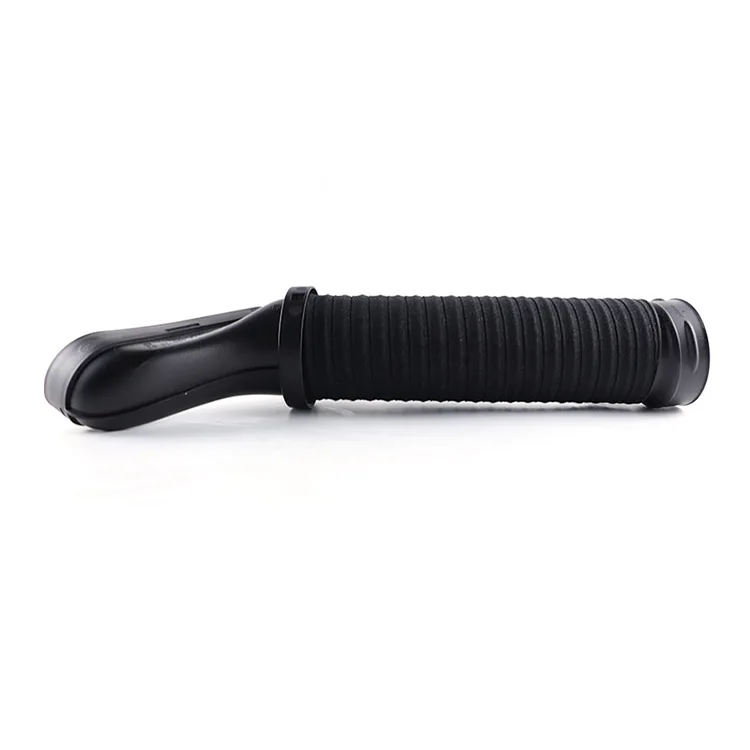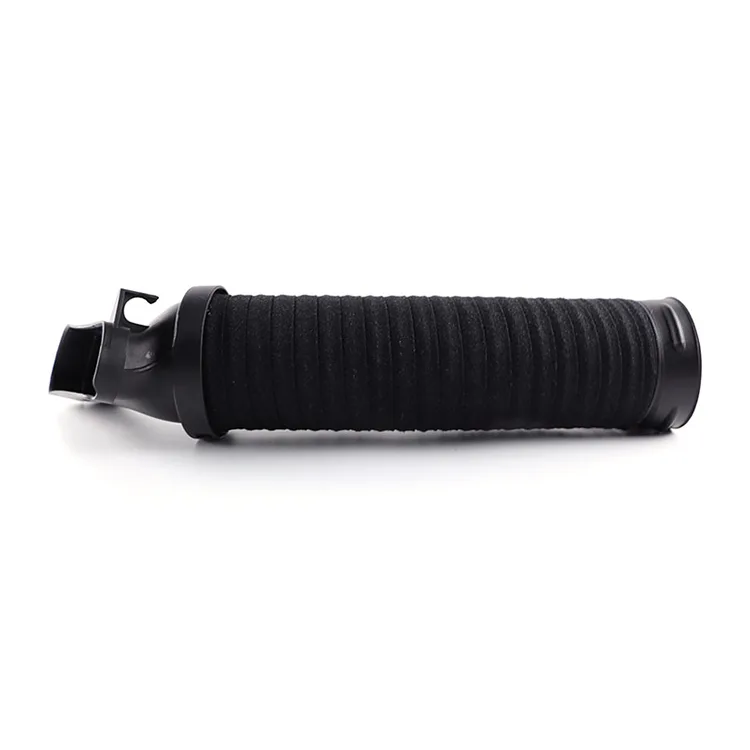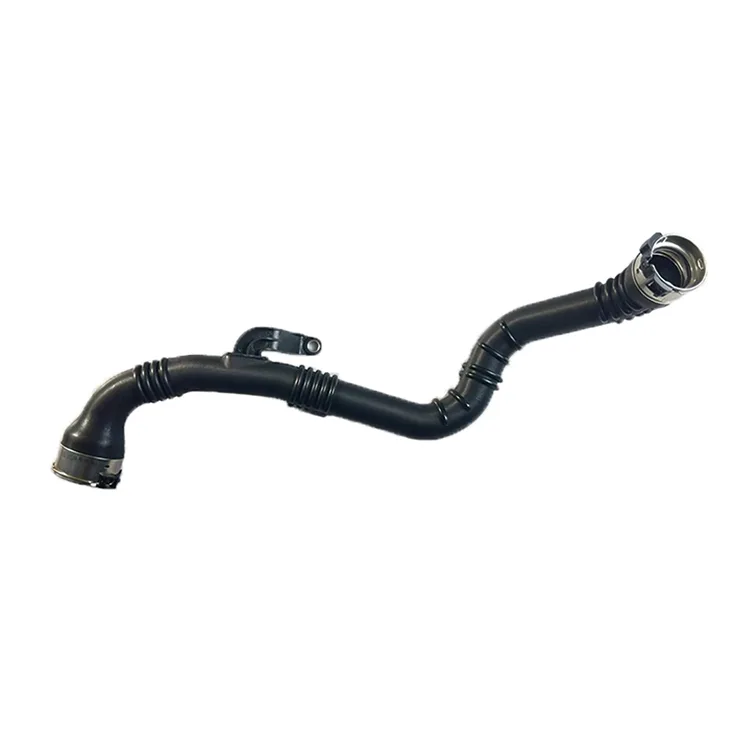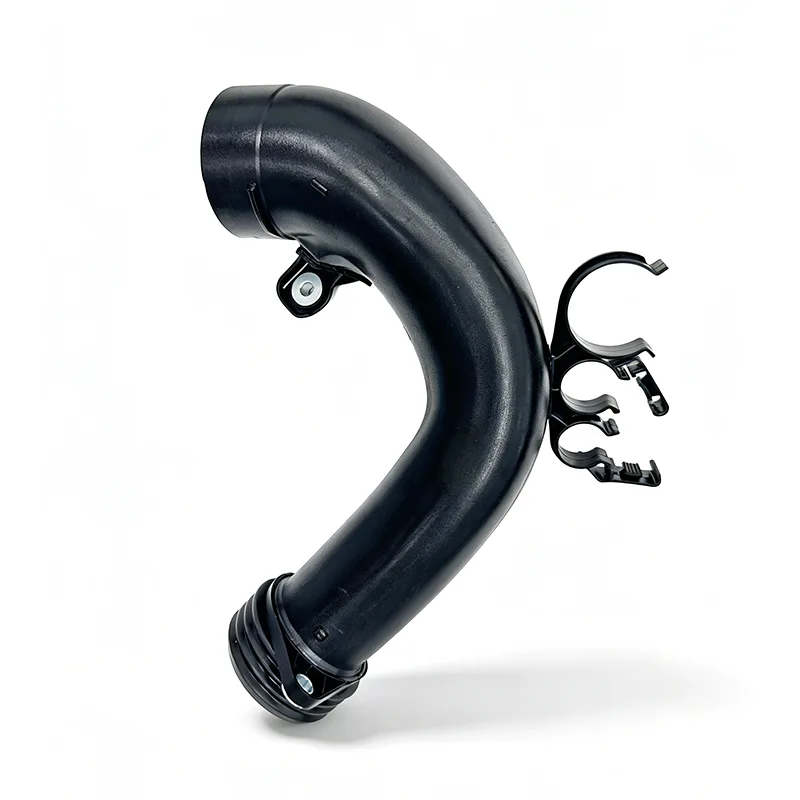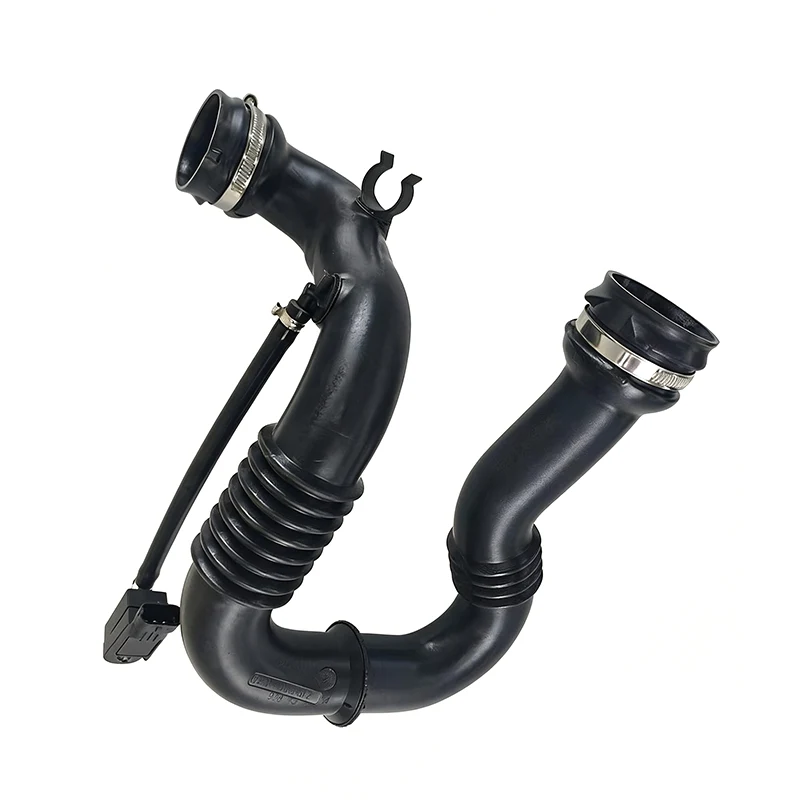
As vehicle technology develops, engine air systems are becoming more sensitive to component accuracy and airflow control. The Renault Intake Pipe 8201068612 is an example of how a seemingly simple hose component plays an important role in maintaining stable air delivery in Renault commercial vehicles, especially models using turbocharged diesel engines.
For many vehicle owners and maintenance teams, intake system components are often overlooked until problems appear. However, unstable airflow, air leakage, or damaged connections can gradually affect engine operation, fuel efficiency, and driving response. Understanding the function of intake pipes helps explain why these parts require careful design and proper matching.
The Growing Importance of Engine Airflow Management
Modern diesel engines rely on a carefully controlled air supply system. Unlike older engines with simpler intake structures, turbocharged engines require more precise airflow management because compressed air must travel through multiple connection points before reaching the combustion chamber.
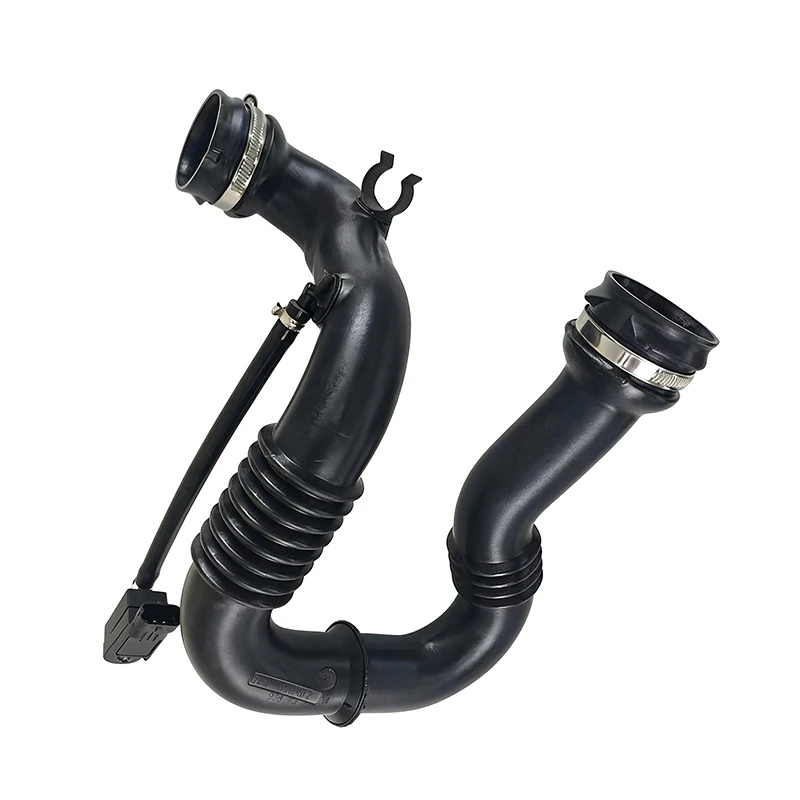
The intake system typically includes:
| Component | Main Function |
|---|---|
| Air filter | Removes dust and particles from incoming air |
| Intake pipe | Transfers air between system components |
| Turbocharger connection | Handles compressed airflow |
| Sensors | Monitor air-related operating conditions |
| Intake manifold | Distributes air into the engine |
The intake pipe acts as a connecting pathway within this system. Any deformation, crack, or poor sealing condition may interrupt the intended airflow route.
Why Renault Intake Pipe 8201068612 Receives Attention
The Renault Intake Pipe 8201068612 is commonly associated with Renault Trafic II vehicles equipped with 2.0 dCi engines and is also referenced in related applications involving shared vehicle platforms.
This type of component is designed to handle the demanding environment between the intercooler and engine intake system. During operation, the pipe experiences repeated changes in:
- Air pressure
- Temperature
- Engine vibration
- Mechanical movement
Because commercial vehicles often operate for longer periods and under heavier loads, intake system durability becomes an important maintenance consideration.
How Intake Pipe Design Affects Airflow Stability
Airflow stability depends on more than just the ability of a pipe to transport air. The internal shape, connection accuracy, and material characteristics all influence how consistently air moves through the system.
1. Maintaining Proper Air Passage
A correctly designed intake pipe helps maintain the original airflow path created by vehicle engineers.
If the pipe becomes damaged or loses its shape, possible issues may include:
- Reduced airflow efficiency
- Increased air leakage risk
- Irregular engine response
- Additional pressure loss
2. Supporting Turbocharged Engine Operation
Turbocharged diesel engines depend on stable air delivery. The intake pipe must withstand pressure changes created during acceleration and different driving conditions.
A weak or aging pipe may develop small cracks that are difficult to notice during visual inspections but may gradually affect system performance.
3. Handling Engine Compartment Conditions
The engine compartment is a challenging environment. Components must tolerate heat from the engine and turbo system while also handling vibration during daily driving.
Materials used for modern intake pipes are selected based on their ability to balance flexibility and strength.
Common Reasons Intake Pipes Require Replacement
Intake pipes are not usually replaced during routine maintenance, but several conditions can lead to inspection or replacement.
| Cause | Possible Effect |
|---|---|
| Long-term heat exposure | Material aging |
| Engine vibration | Stress around connection areas |
| Oil vapor contact | Material degradation over time |
| Mechanical damage | Air leakage |
| Incorrect installation | Poor sealing |
For vehicles with higher mileage, checking the condition of intake components can help identify problems before they influence other engine systems.
Why Accurate Part Matching Matters
One challenge in automotive maintenance is selecting components based only on appearance. Intake pipes may look similar while having differences in length, connector position, shape, or application range.
Using OE references such as 8201068612 helps maintenance professionals confirm whether a component matches the intended vehicle system. The same OE number may appear across related applications, but engine type and vehicle configuration should still be verified before installation.
Important matching factors include:
- OE number
- Engine model
- Vehicle generation
- Connection design
- Installation position
This approach reduces unnecessary adjustments and helps maintain the original intake system layout.
Material Development and Quality Testing Trends
The automotive parts industry has placed greater focus on material performance and testing as engines become more advanced.
For intake pipes, common evaluation areas include:
| Testing Area | Purpose |
|---|---|
| Temperature resistance | Checks performance under heat and cold cycles |
| Air-tightness testing | Evaluates sealing reliability |
| Dimensional inspection | Confirms production consistency |
| Connection testing | Verifies fitting strength |
Ningbo Haochi Technology Co., Ltd. applies inspection procedures for automotive intake components, including temperature cycle testing and connection checks, to evaluate performance under different operating conditions.
What Vehicle Owners Should Know
For Renault vehicle owners, maintaining airflow system components is part of overall engine care. A damaged intake pipe may not always create immediate symptoms, but ignoring small issues can lead to more complicated maintenance problems.
Regular inspection is especially useful when a vehicle shows:
- Unusual intake noises
- Reduced acceleration response
- Visible cracks or deformation
- Loose connections around intake areas
Early identification allows maintenance teams to address issues before they affect other components.
Future Trends in Automotive Intake Systems
As manufacturers continue improving engine efficiency and emissions performance, intake systems are expected to become more precisely engineered.
Future development trends may include:
- Lightweight materials
- Improved heat resistance
- More integrated sensor systems
- More accurate airflow control
These changes show that intake pipes are becoming increasingly important parts of modern engine design rather than simple connection hoses.
Conclusion
The importance of Renault Intake Pipe 8201068612 reflects a broader trend in automotive maintenance: airflow stability has become a key factor in engine reliability and efficiency. Proper component matching, suitable materials, and accurate inspection all contribute to maintaining the intended performance of the intake system. For vehicles using compatible applications, products such as Renault Intake Pipe 8201068612 represent how modern replacement components must meet increasingly precise technical requirements, with companies like Ningbo Haochi Technology Co., Ltd. continuing to develop automotive intake solutions based on these industry needs.