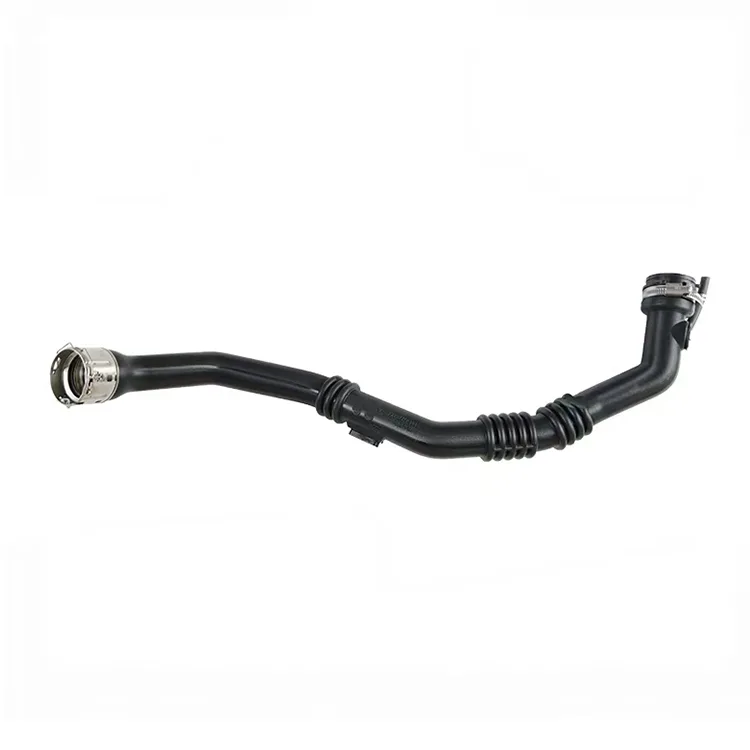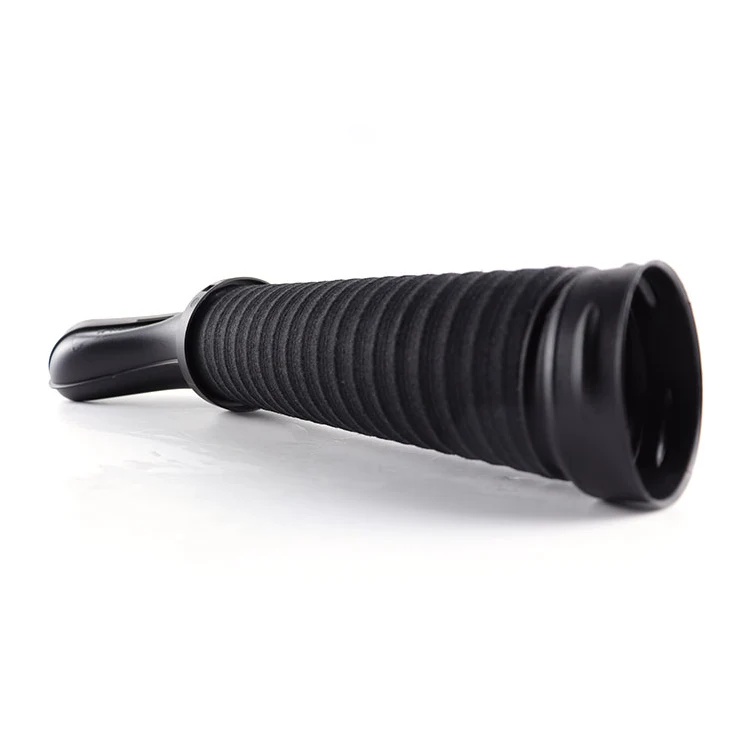
How Does a Renault Car Intake Pipe Improve Engine Performance?
Article Summary
The Renault car intake pipe plays a critical role in delivering clean, stable airflow to the engine, directly influencing combustion efficiency, fuel economy, and long-term engine reliability. This article explains how a Renault car intake pipe works, common problems drivers face, how to identify quality components, and when replacement is necessary. Practical insights, comparison tables, and frequently asked questions are included to help buyers and vehicle owners make informed decisions.
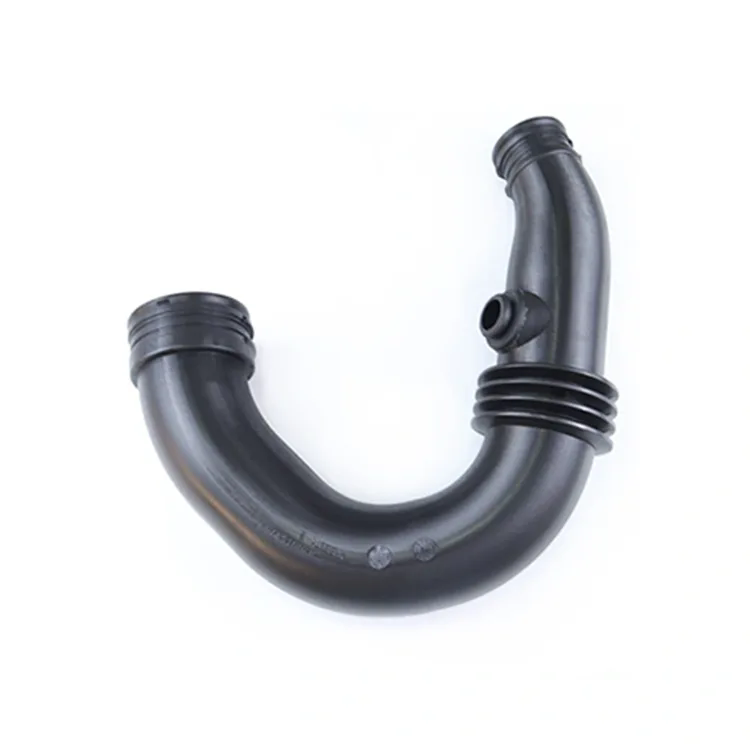
Table of Contents
- Overview of the Renault Car Intake Pipe
- How a Renault Car Intake Pipe Works
- Common Problems and Customer Pain Points
- Material Types and Structural Design
- Performance Impact on Renault Engines
- Replacement and Maintenance Considerations
- Product Selection Checklist
- Frequently Asked Questions
- Conclusion and Contact Information
Overview of the Renault Car Intake Pipe
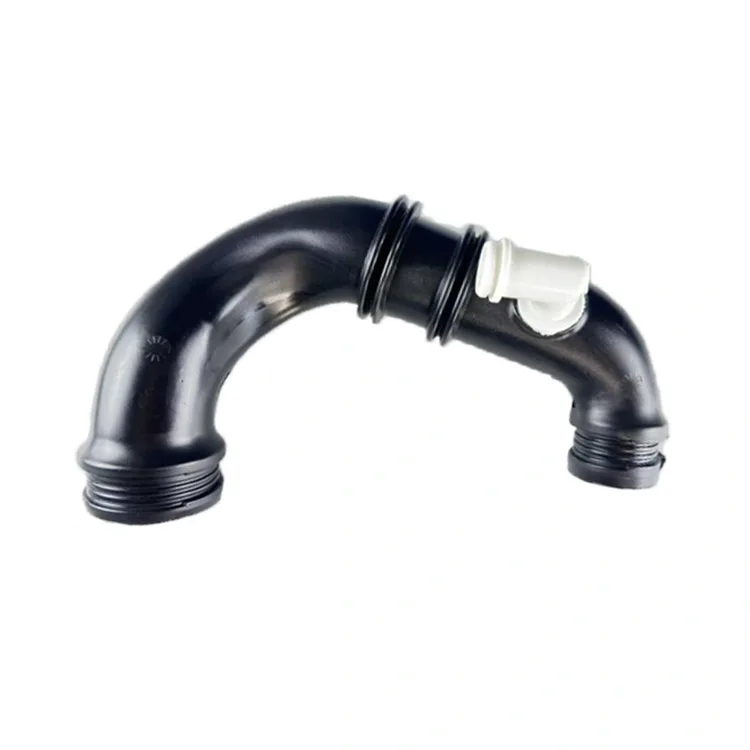
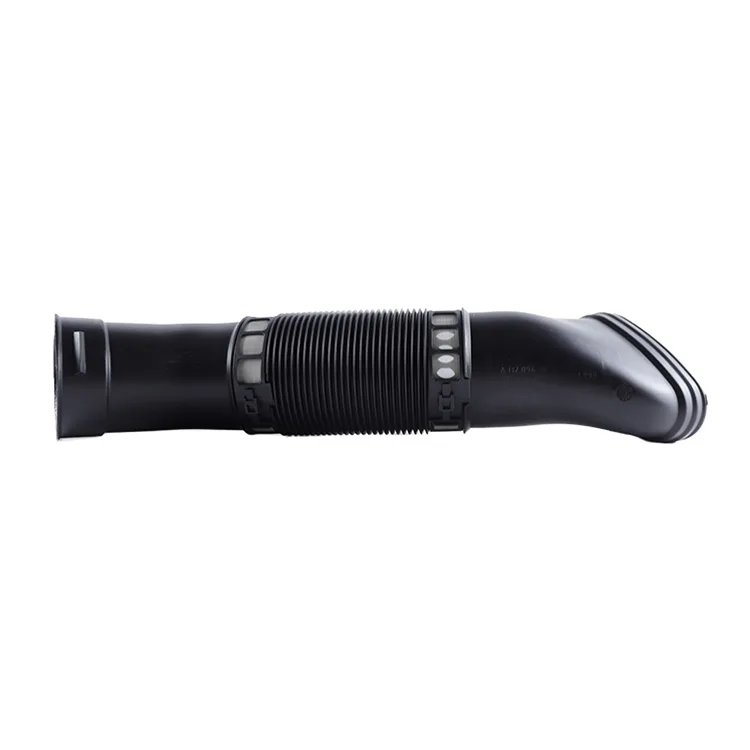
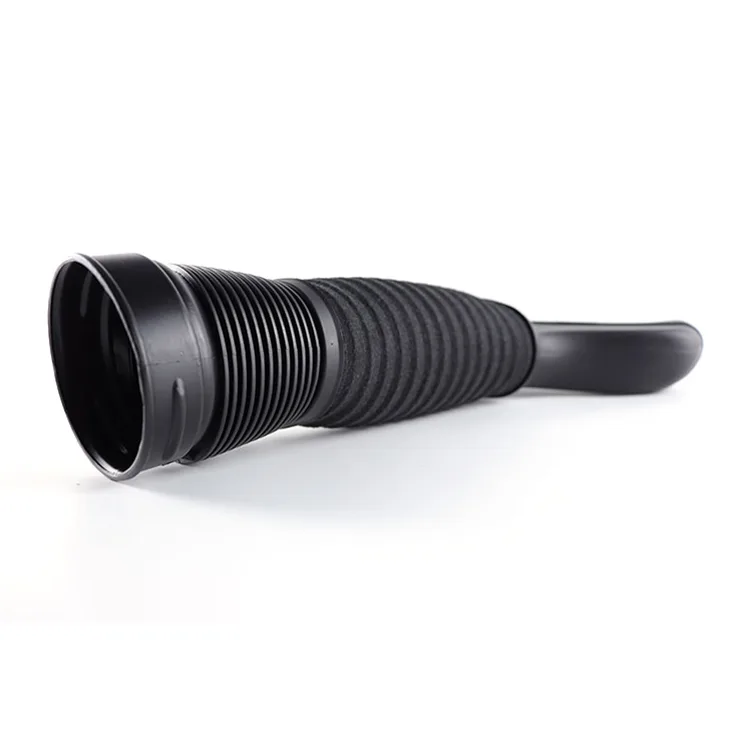
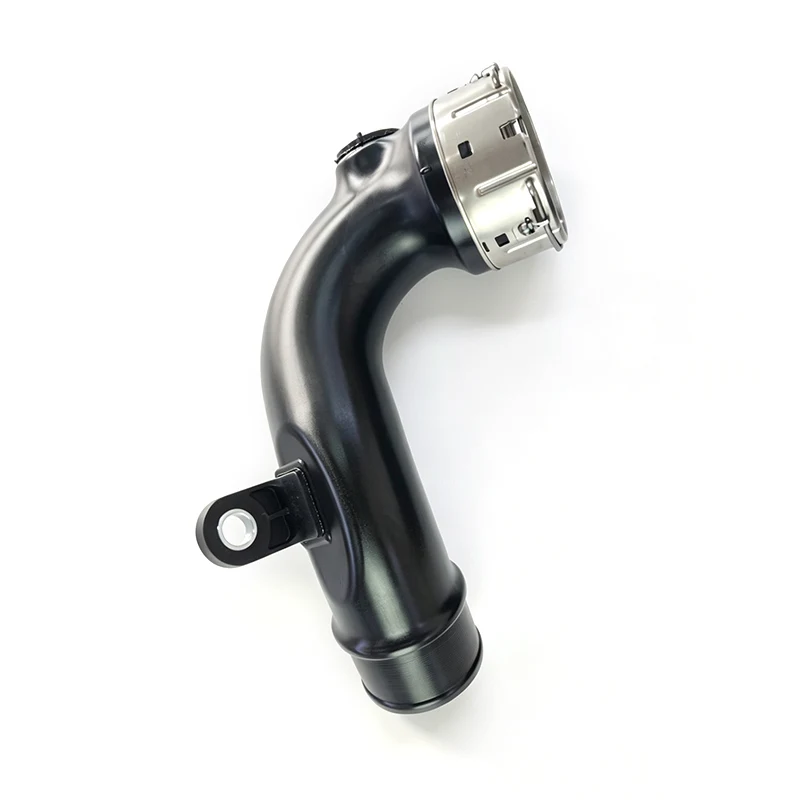
A Renault car intake pipe is an essential air management component that connects the air filter housing to the throttle body or turbocharger. Its primary function is to guide filtered air into the engine under stable pressure and temperature conditions. For Renault vehicles, which are engineered with precise airflow tolerances, the intake pipe must maintain dimensional accuracy and durability under constant thermal and mechanical stress.
A well-designed intake pipe supports smooth airflow, minimizes turbulence, and prevents contaminants from entering the combustion chamber. Poor-quality or aging intake pipes often become a hidden source of performance loss and increased fuel consumption.
How a Renault Car Intake Pipe Works
During engine operation, ambient air is drawn through the air filter and flows through the intake pipe before reaching the intake manifold. The Renault car intake pipe must:
- Maintain airtight sealing to avoid vacuum leaks
- Withstand engine heat and vibration
- Preserve consistent internal diameter for stable airflow
- Resist oil vapor and chemical degradation
In turbocharged Renault models, the intake pipe also manages pressurized airflow, making material strength and flexibility even more critical.
Common Problems and Customer Pain Points
Many Renault owners experience engine-related issues that can be traced back to intake pipe failure. These problems often develop gradually and are easily overlooked.
- Cracks or hardening due to heat aging
- Air leaks causing unstable idle speed
- Reduced throttle response
- Increased fuel consumption
- Illuminated engine warning light
Replacing a damaged Renault car intake pipe can immediately restore engine balance and improve overall driving comfort.
Material Types and Structural Design
Intake pipe performance is highly dependent on material selection and molding accuracy. Below is a comparison of commonly used materials:
| Material Type | Key Characteristics | Typical Application |
|---|---|---|
| Rubber | High flexibility, good vibration absorption | Naturally aspirated engines |
| EPDM | Excellent heat and ozone resistance | Standard Renault models |
| Silicone | High temperature tolerance, long lifespan | Turbocharged applications |
| Plastic Composite | Lightweight, rigid structure | OEM air duct sections |
Manufacturers such as Ningbo Haochi Technology Co., Ltd. focus on precision molding and material stability to ensure consistent performance across different Renault platforms.
Performance Impact on Renault Engines
A properly engineered Renault car intake pipe directly contributes to:
- Improved combustion efficiency
- Smoother acceleration response
- Reduced engine vibration
- Lower long-term maintenance costs
Even minor deviations in airflow can affect engine control systems, making intake pipe quality an important factor in maintaining factory-level performance.
Replacement and Maintenance Considerations
Regular inspection of the intake pipe is recommended, especially for vehicles operating in high-temperature or dusty environments. Replacement should be considered when:
- Visible cracks or oil residue appear
- The pipe becomes excessively rigid
- Air leakage noise is detected
- Engine diagnostics indicate airflow irregularities
Using a model-specific Renault car intake pipe ensures proper fitment and prevents installation-related issues.
Product Selection Checklist
- Exact vehicle model and engine code compatibility
- Heat and pressure resistance ratings
- OEM-equivalent dimensions
- Stable sealing interfaces
- Consistent production quality
Suppliers with dedicated automotive engineering experience are better positioned to meet these technical requirements.
Frequently Asked Questions
How long does a Renault car intake pipe typically last?
Under normal driving conditions, an intake pipe can last between 5 to 8 years. Heat exposure and engine oil vapor may shorten its lifespan over time.
Can a damaged intake pipe affect fuel economy?
Yes. Air leaks disrupt the air-fuel ratio, often leading to higher fuel consumption and reduced engine efficiency.
Is aftermarket replacement reliable for Renault vehicles?
High-quality aftermarket intake pipes manufactured to OEM specifications can deliver performance comparable to original components when properly installed.
Conclusion and Contact Information
The Renault car intake pipe is a small but vital component that significantly impacts engine efficiency, driving stability, and overall vehicle reliability. Selecting a well-engineered intake pipe helps prevent hidden performance losses and supports long-term engine health.
Ningbo Haochi Technology Co., Ltd. provides precision-manufactured Renault car intake pipe solutions designed to meet strict automotive performance requirements. If you are sourcing reliable components or exploring customized intake solutions, contact us today to discuss how professional manufacturing support can enhance your automotive projects.
Related News
- Does Renault Intake Pipe 144609905R Fit Both Trafic III And Vivaro B Models?
- How Does the BMW Car Intake Pipe 13717609810 Improve Engine Performance?
- How Does a BMW Car Intake Pipe Improve Engine Performance?
- What Is a Renault Car Intake Pipe and Why Does It Matter for Engine Performance in 2026?
- How Does a Renault Car Intake Pipe Enhance Engine Performance?
- How Does a Mercedes-Benz Car Intake Pipe Improve Engine Performance?
Leave me a message