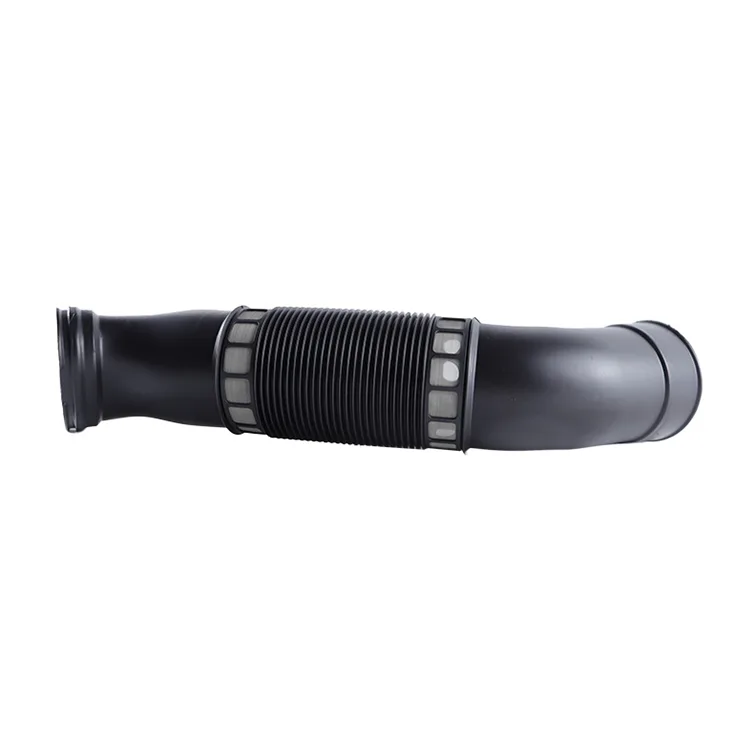
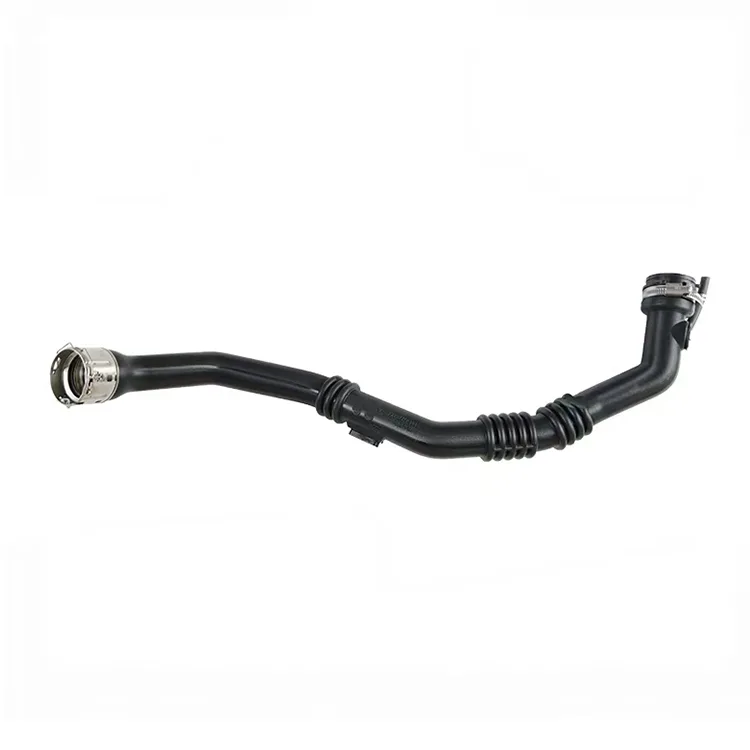
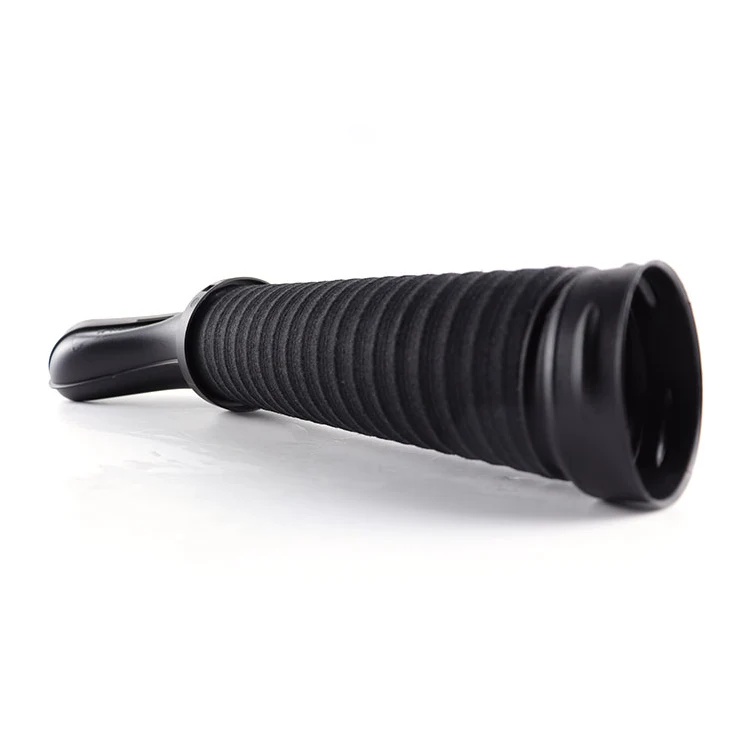
The car's intake manifold acts like the engine's "breathing passage," primarily responsible for delivering air into the engine for combustion. It also optimizes intake efficiency, reduces noise, and assists the braking system. Specifically:
I. Core Functions
Air Delivery: Connects the air filter and throttle body, providing the engine with the air needed for combustion.
Intake Optimization: The smooth inner wall design reduces airflow resistance, ensuring even airflow to each cylinder.
Noise Reduction: Some Intake Pipes have resonant chambers, effectively reducing noise during high-speed intake.
II. Auxiliary Functions
Brake Assistance: Utilizes the engine's vacuum state, making the brake pedal lighter.
Engine Protection: Works with the air filter to filter dust, preventing engine wear.
III. Modification and Maintenance
Modification: Upgrading the Intake Pipe can improve power response and low-end torque; some models can even produce a more dynamic intake sound.
Maintenance: Replace the air filter regularly (every 10,000 kilometers or every six months), avoid driving for extended periods in dusty environments, and check the intake system after driving through water.
We use cookies to offer you a better browsing experience, analyze site traffic and personalize content. By using this site, you agree to our use of cookies.Privacy Policy