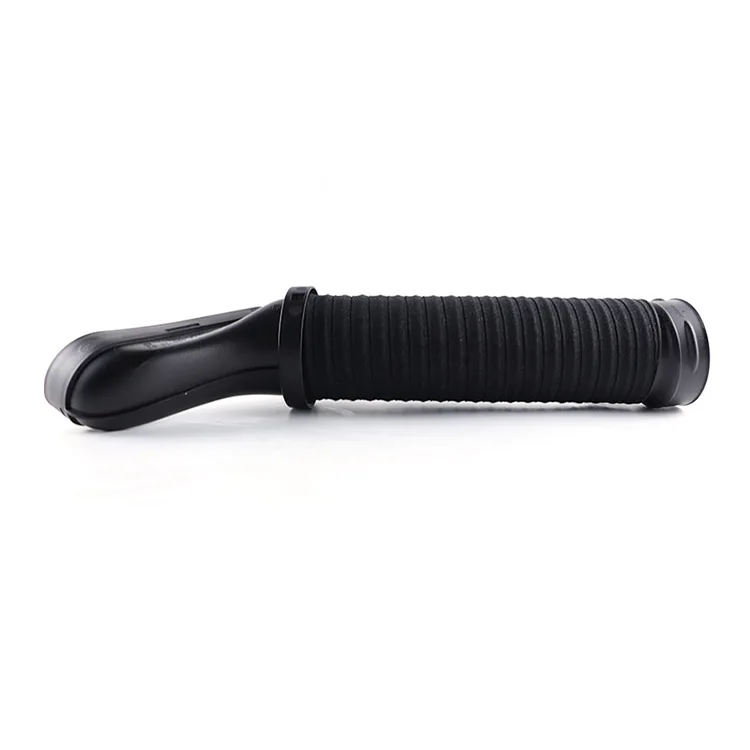
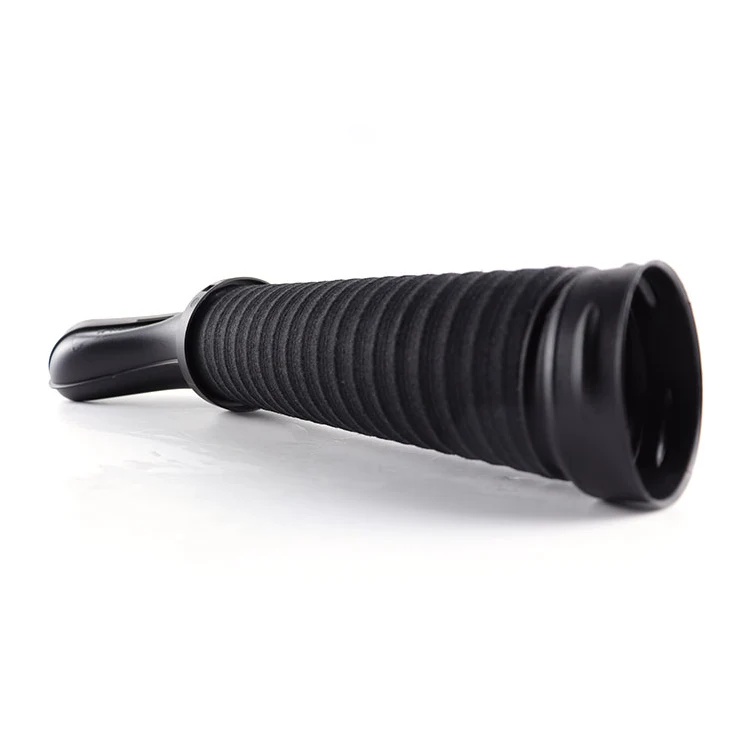
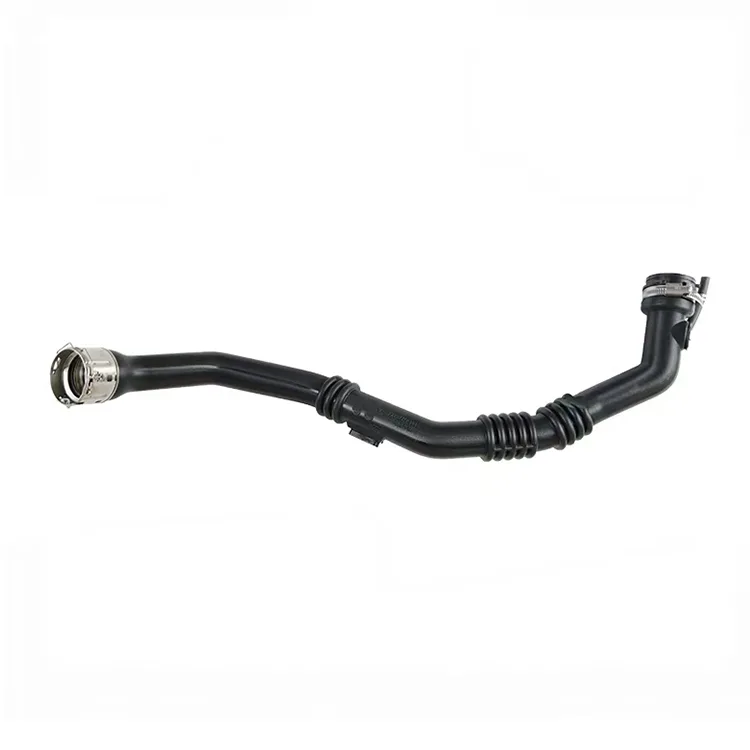
A broken intake manifold will definitely affect your car, so we need to take it seriously! The main problems are concentrated on power, fuel consumption, and engine health:
I. Reduced Power
Slow acceleration: The leak causes an imbalance in the air-fuel ratio, resulting in incomplete combustion and a slower response to the accelerator.
Idle vibration: Unstable intake air volume leads to unstable engine operation, causing the car body to shake.
II. Increased Fuel Consumption
Increased fuel injection: The ECU misjudges the intake air volume and injects more fuel to compensate, causing fuel consumption to rise sharply.
Economic burden: For example, fuel consumption may suddenly increase by 2 liters per 100 kilometers.
III. Engine Wear
Dust entry: Unfiltered air carrying dust enters the cylinders, accelerating wear and potentially causing cylinder scoring.
Increased carbon buildup: Incomplete combustion leads to increased carbon buildup.
IV. Malfunction indicator light illumination
Sensor alarm: Abnormal intake air will trigger the malfunction indicator light, reminding you to have it checked.
V. Impact of Different Locations
Crack in the muffler section: Primarily increases noise; other impacts are minor.
Crack in the rear section of the exhaust pipe: Increases noise and causes emissions to fail to meet standards; requires immediate replacement.
VI. Emergency Treatment
High-temperature tape repair: Can be used temporarily if the damage is not severe.
Replace as soon as possible: Severe damage or a crack in the rear section of the air filter requires immediate attention.
We use cookies to offer you a better browsing experience, analyze site traffic and personalize content. By using this site, you agree to our use of cookies.Privacy Policy